Conquer the Himalayas Like a Pro Rider
Leh-Ladakh is more than a pin on a map—it is a rite of passage for every rider, a grueling test of human and mechanical endurance, and a canvas for memories that last a lifetime. Whether you are prepping for your inaugural ascent or a seasoned traveler refining your logistics, this guide is your definitive resource for conquering the “Land of High Passes.”
Why Ladakh Transcends a Typical Road Trip
Embarking on a motorcycle tour to Ladakh is a profound shift from recreational riding to high-altitude exploration. It is a place where the air thins, the landscape shifts from lush greenery to stark, “moonland” deserts, and the weather can flip from scorching sun to freezing sleet in a single afternoon.
A Dream Realized
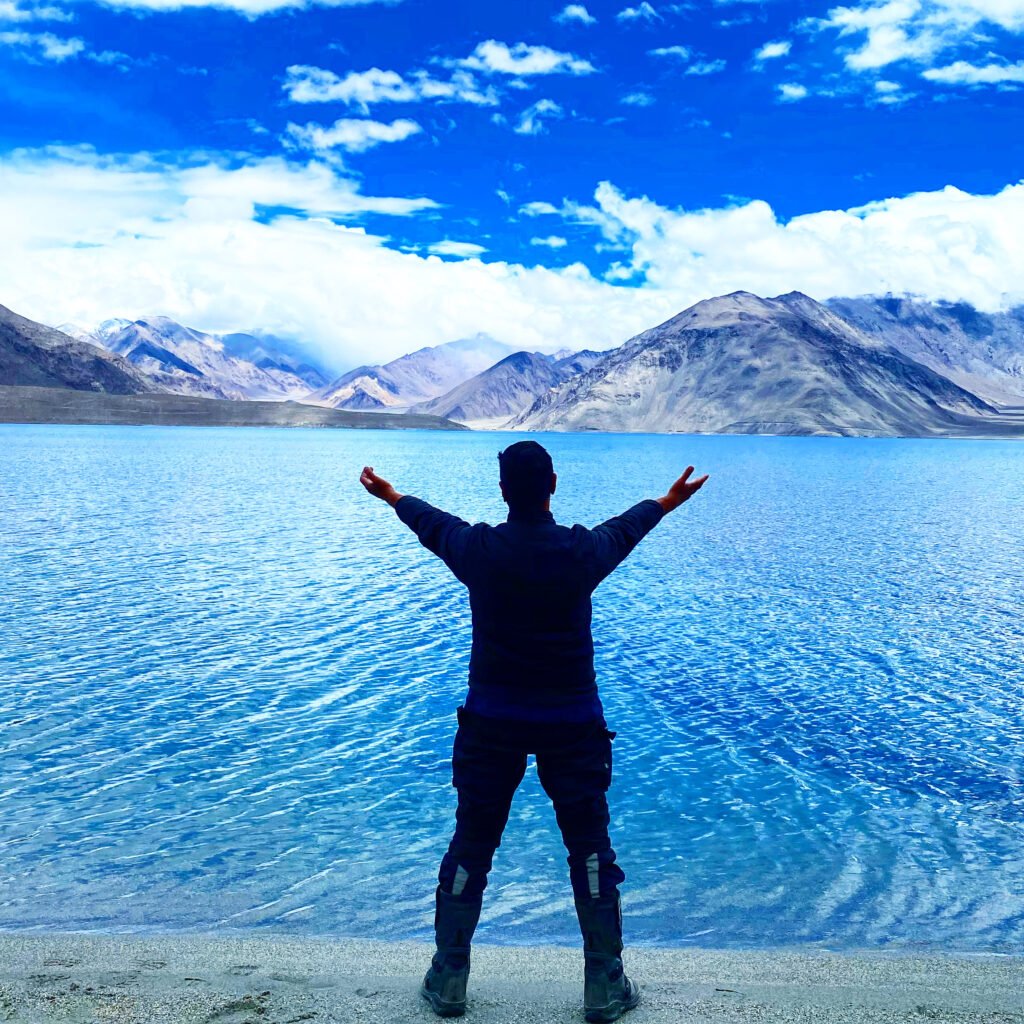
For many, the sight of the fluttering prayer flags at the summit of Khardung La (once the highest motorable road in the world) represents the pinnacle of their motorcycling life. It’s the dream of navigating the “Gata Loops”—a series of 21 hair-raising switchbacks—and seeing the turquoise waters of Pangong Tso reveal themselves after hours of riding through desolate gravel.
The Ultimate Test of Endurance
Ladakh doesn’t just test your riding skill; it tests your patience and physical resilience. You will face:
- Thinning Oxygen: Riding at altitudes exceeding 14,000 feet requires an understanding of Acute Mountain Sickness (AMS).
- Mechanical Strain: Your bike’s engine will struggle with the lack of oxygen (running “rich”), demanding a well-maintained machine and a rider who knows how to listen to its struggle.
- Water Crossings: The infamous “pagal nallas” (crazy streams) formed by melting glaciers require precise throttle and clutch control to navigate without drowning your engine.
A Lifelong Memory
Beyond the physical challenge, Ladakh offers a spiritual reset. The silence of the Nubra Valley, the ancient chanting in the Thiksey Monastery, and the camaraderie found in shared campsites at Sarchu create a bond between riders that few other destinations can replicate. This guide ensures that your focus remains on the breathtaking scenery rather than avoidable logistics or mechanical failures.
ROUTE OPTIONS: Choose Your Adventure
1. The Classic Conquest: Manali to Leh
- Distance: ~$470$ km
- Best for: Adventure seekers and off-road enthusiasts.
- The Experience: This is the more aggressive route. You’ll cross five major passes, including the formidable Bara-lacha La and Tanglang La. The transition from the lush green cedar forests of Manali to the high-altitude desert of Sarchu is dramatic.
- Key Stops: Manali – Keylong – Jispa – Sarchu – Pang – Leh.
2. The Cultural Gateway: Srinagar to Leh
- Distance: ~$420$ km
- Best for: First-time riders and those sensitive to altitude.
- The Experience: This route offers a gradual ascent, allowing your body more time to acclimatize to the thinning air. You’ll ride through the “Meadow of Gold” (Sonamarg) and pay respects at the Kargil War Memorial. The road via Zoji La provides a thrilling but manageable challenge.
- Key Stops: Srinagar – Sonamarg – Drass – Kargil – Lamayuru – Leh.
3. The Ultimate Wilderness: The Zanskar Circuit
- Route: Manali – Shinkula – Padum – Kargil – Leh
- Best for: Hardcore off-roaders wanting to escape the crowds.
- The Experience: This is the newest “hot” route in Ladakh. It takes you through the heart of the Zanskar Valley, passing the majestic Gonbo Rangjon (a massive standalone rock peak). Be prepared for river crossings and rocky terrain.
- Key Stops: Manali – Jispa – Shinku La Pass – Purne – Padum – Kargil – Leh.
4. The Inner Circle: The Ladakh Loop
Once you reach the capital city of Leh, the journey isn’t over. The “Loop” is where you find the iconic postcard views.
- The Path: Leh → Khardung La (The Gateway) → Nubra Valley (Sand Dunes) → Turtuk (The last village before the LAC) → Pangong Tso (The high-altitude blue lake) → Tso Moriri → Leh.
Pro-Traveler Alerts for 2026:
- The Permit Rule: If you plan to travel via the Rohtang Pass, remember that the Himachal government strictly regulates the number of vehicles to protect the ecology. You must apply for a permit online in advance. Most travelers now use the Atal Tunnel to bypass Rohtang, which saves 3–4 hours but skips the high-pass experience.
- Fuel Strategy: On the Manali-Leh highway, there is a legendary 365 km stretch between Tandi and Karu with no fuel stations. Carrying extra jerry cans is not just a suggestion—it’s a survival requirement.
Timing Your Expedition: The Seasonal Window
The optimal window for a Ladakh motorcycle expedition is between June and September, when the high-altitude passes are clear of snow and the weather remains relatively stable. Outside of these months, the region transforms into an inhospitable frozen desert, with road closures and extreme temperatures making motorcycle travel either impossible or dangerously unpredictable.
The Prime Season: June to September
- June (The Opening): This is the most dramatic time to visit. You will ride through “snow walls” (corridors of ice carved to open the roads) that can reach 20 feet high. Note that water crossings (pagal nallas) are most aggressive this month due to rapid snowmelt.
- July – August (The High Summer): The weather is at its warmest, and the roads are fully operational. While the rest of India faces the monsoon, Ladakh (a rain-shadow region) stays mostly dry. However, the approach roads via Manali or Srinagar may experience heavy rains and landslides.
- September (The Photographer’s Dream): The air becomes incredibly crisp, the skies turn a deep azure, and the vegetation begins to turn golden. The water levels in the streams drop, making crossings much easier.
2. The Shoulder Months: Handle with Caution
- Early May: While the BRO (Border Roads Organization) strives to open the roads by May, it is risky. You may reach Leh only to find that the internal passes to Pangong Tso or Nubra Valley are still blocked. Black ice on the roads is a major hazard for bikers during this time.
- October: The “Big Freeze” begins. Most campsites (like those at Sarchu or Pangong) start packing up for the season. Temperatures at night frequently drop well below freezing, and a single sudden snowfall can trap you in a remote valley for days.
3. Winter (November to April): The Frozen Frontier
Unless you are a professional adventurer aiming for a “Frozen River” (Chadar) experience via a 4×4 or on foot, motorcycles are a strict no-go. The Manali and Srinagar highways are completely closed, and the only way into Leh is by air. Diesel freezes, and mechanical failures are almost guaranteed in the -20°C to -30°C temperatures.
Selecting Your Steed: The Best Bikes for the Himalayas
Choosing the right machine for Ladakh is less about brand loyalty and more about mechanical resilience. The terrain—ranging from smooth asphalt to riverbeds and deep sand—demands a bike that can handle low oxygen levels and high physical abuse.
1. The Adventure Kings (Highly Recommended)
- Royal Enfield Himalayan / 450: Often considered the “Official Bike of Ladakh.” Its long-travel suspension soaks up craters, and the upright seating posture prevents back fatigue.
- The Catch: It is relatively heavy. Shorter riders may find the seat height and weight intimidating during low-speed “feet-down” maneuvers in rocky streams.
- KTM Adventure 390: A high-tech alternative for those who prefer speed and modern electronics. It features traction control and cornering ABS, which are lifesavers on gravel.
- Hero Xpulse 200 4V/210: The “Mountain Goat.” It is incredibly lightweight and agile. If you get stuck in a sand pit, you can literally lift this bike out. It’s perfect for riders who prioritize handling over raw highway power.
2. The Rugged Classics
- RE Classic / Bullet / Meteor 350: The soul of Himalayan riding. These bikes offer immense low-end torque, which is vital for climbing steep passes like Khardung La without constantly downshifting.
- Pro Tip: Ensure your “thump” doesn’t lead to a slump; the low ground clearance of the Meteor can be an issue on high-altitude speed breakers or rocks.
3. The Performance & Premium Picks
- Bajaj Dominar 400: A “Hyper-Tourer” that eats the highway miles between Delhi and Manali for breakfast. It is stable at high speeds but has a limited turning radius, making tight mountain hairpins a bit more technical.
- BMW G310 GS: Offers premium build quality and excellent balance. It provides a smoother, more refined experience than the coarser single-cylinder engines.
- RE Interceptor 650: While powerful and smooth, it is heavy and lacks off-road suspension. Only recommend for experienced riders who plan to stick primarily to the main highways.
Three Non-Negotiable Features for 2026
Regardless of the model you choose, your bike must meet these three criteria for a successful Ladakh tour:
- High Ground Clearance: You will encounter “boulder fields” where a low-slung bike will bottom out, potentially damaging the engine sump.
- Large Fuel Range: If your tank is small (like the Xpulse), you must carry at least 10 liters of backup fuel in jerry cans.
- Spoke Wheels vs. Alloys: While alloys are convenient for tubeless repairs, spoke wheels are preferred for Ladakh. They can bend and absorb the shock of a deep pothole, whereas an alloy wheel might simply crack, ending your trip instantly.
A Note on EFI vs. Carburetors
By 2026, most bikes are Fuel Injected (EFI). This is a massive advantage in Ladakh. EFI systems automatically adjust the air-fuel mixture as the oxygen thins. If you are taking an older, carbureted bike, you will need to “lean out” the carburetor (adjust the jets) as you climb higher to prevent the engine from “suffocating.”
ESSENTIAL GEAR TO CARRY – The Ultimate Expedition Gear List
Packing for Ladakh is a high-stakes balancing act. You need to prepare for four seasons in a single day—ranging from 25°C in the sun-drenched valleys to -5°C at the wind-whipped summits. Your gear is your primary survival system against the elements and mechanical isolation.
1. Personal Protective Equipment (PPE)
- Certified Full-Face Helmet: Ensure your helmet is DOT, ECE, or ISI certified. A full-face model is non-negotiable to protect against the biting Himalayan wind and flying gravel.
- All-Weather Riding Jacket: Choose a jacket with a removable thermal liner and a waterproof layer. It should have CE Level 2 armor at the shoulders, elbows, and back.
- Waterproof Gloves & Boots: Wet hands and feet lead to frostbite in high altitudes. Carry dedicated waterproof riding gloves and adventure boots that provide ankle support.
- Knee & Elbow Guards: If you aren’t wearing dedicated riding pants, high-quality external bionic guards are essential.
2. Luggage & Storage
- Bungee Cords & Luggage Nets: These are the unsung heroes of the trip. Carry extra; they frequently snap or lose elasticity in the extreme cold.
- Hydration Pack: Drinking water is the #1 way to combat Acute Mountain Sickness (AMS). A 2–3 liter hydration bladder allows you to sip water constantly without stopping.
- Saddlebags or Tank Bags: Pro Tip: Avoid wearing a heavy backpack. It puts immense strain on your shoulders and spine over 8-hour riding days. Transfer the weight to the bike using a balanced saddlebag setup.
3. Mechanical Survival Kit
In Ladakh, you are often your own mechanic. Your toolkit should include:
- The Basics: A puncture kit (for tubeless) or spare tubes (for spoke wheels), a portable tire inflator, and a multi-head toolkit.
- Critical Spares: An extra clutch cable, accelerator cable, a spare headlight bulb, and a set of brake pads.
- Fluids: Small bottles of chain lube, chain cleaner, and a 1-liter bottle of the specific engine oil your bike uses.
- The “Himalayan Fix”: Zip ties, M-Seal, and duct tape. These can temporarily fix everything from a cracked visor to a leaking fuel tank.
4. Camping & Survival
If you plan on venturing off the grid or staying at Pangong Tso:
- Four-Season Tent: High-velocity winds in Ladakh can flatten cheap summer tents.
- Sleeping Bag: Rated for at least -10°C.
- Emergency Supplies: Power banks, a high-lumen headlamp, and a basic medical kit (including oxygen cylinders and Diamox for altitude).
The “Dry Bag” Hack for 2026
Even “waterproof” saddlebags can fail during deep river crossings or heavy rain. Wrap your clothes and electronics in individual heavy-duty garbage bags or dry bags before putting them inside your luggage. This double-layering ensures you have dry clothes to change into at the end of a freezing day.
Paperwork & Permissions – The 2026 Legal Checklist
Navigating the administrative landscape of Ladakh is as crucial as navigating its mountain passes. While permit regulations have eased significantly for Indian citizens in recent years, carrying a complete set of physical and digital documents is mandatory for clearing the numerous military and police checkpoints (check-posts) scattered throughout the region.
1. Essential Vehicle & Personal Documents
In 2026, DigiLocker is widely recognized, but in remote areas like Sarchu or Hanle, internet connectivity is non-existent. Always carry high-quality photocopies in a waterproof folder.
- Driving License (DL): Must be the original permanent license.
- Registration Certificate (RC): If the bike is not in your name, carry an Authorization Letter or an NOC from the owner.
- Insurance Policy: Ensure it is active and includes third-party liability.
- Pollution Under Control (PUC): Ensure it is valid for the duration of your trip; you won’t find a testing center in the high desert.
- Identity Proof: Aadhaar Card is the standard, but a Passport or Voter ID is equally valid for verifying your nationality at sensitive border areas.
2. Updated Permit Requirements (The 2026 Reality)
The Inner Line Permit (ILP) – Indian Nationals
As of the latest 2026 guidelines, Indian Nationals no longer require a formal “Inner Line Permit” for most popular tourist circuits including Nubra Valley, Pangong Tso, and Turtuk.
- The Replacement: Instead of a permit, you must pay an Environment Fee & Wildlife Fee (often called the Green Tax).
- How to Pay: This is done via the LAHDCP (Ladakh Autonomous Hill Development Council, Leh) official portal. You will receive a receipt; keep several copies as you will need to submit one at every major checkpoint.
The Restricted Areas (Hanle, Chushul, Umling La)
While general areas are open, the extremely sensitive zones near the LAC (Line of Actual Control)—specifically Hanle, Chushul, and the climb to Umling La (the world’s highest motorable road)—may still require a self-declaration or a specific entry permit depending on the current security climate.
The Rohtang & Atal Tunnel Permits
- Atal Tunnel: No permit is required to pass through the tunnel.
- Rohtang Pass: If you choose the “Old Route” over the Rohtang summit for the view, you must apply for a permit on the Manali administration website. Only a limited number are issued daily.
3. Mandatory Fees & Contributions
When applying online for your entry, you will see a breakdown of fees:
- Environment Fee: Mandatory (approx. ₹400–₹600).
- Wildlife Fee: Mandatory for protected areas like Hemis National Park.
- Red Cross & Tourism Fund: Small, usually “voluntary” but often bundled into the online payment for convenience.
Pro-Tip for 2026
The “Buffer Copies” Rule: Carry at least 10-15 photocopies of your Environment Fee receipt and your ID proof. At checkpoints like North Pullu (on the way to Khardung La) or Tangste (on the way to Pangong), the officials often keep a physical copy for their records to track who is entering and exiting these high-altitude zones.
Apply Online: Ladakh ePermit Portal
FUEL PLANNING – Strategic Fuel Management: Powering Through the Void
In the high-altitude desert, fuel is as precious as oxygen. Because petrol stations are separated by vast, uninhabited stretches, your mantra must be: “Never pass a pump without topping up.” As of 2026, while the infrastructure is improving, mechanical or weather-related delays can turn a “low fuel” light into a life-threatening situation.
1. Critical Fueling Hubs (The 2026 Map)
The Manali–Leh Gap (The 365 km Challenge)
This remains the most dangerous stretch for fuel planning.
- Tandi: This is your absolute last fuel station on the Manali side. Even if your tank is 80% full, stop here and top up to the brim.
- Karu: After Tandi, your next “civilized” fuel stop is Karu, located about 35 km before Leh.
The Ladakh Internal Circuits
- Diskit (Nubra Valley): Usually reliable, but power outages can occasionally stall the pumps. Always fuel up here before heading toward Turtuk or Pangong via the Shyok route.
- Tangtse (Pangong Route): This station is notorious for running dry or having long queues. Do not rely on it as your primary source; treat it as a “bonus” top-up point.
- Nyoma (The Lifeline for Hanle): Latest Update: The fuel station at Nyoma is now fully operational and consistently stocked. This is a game-changer for riders visiting Hanle or attempting Umling La, as it eliminates the need to carry massive amounts of extra fuel from Leh.
2. Calculating Your Reserve Requirements
If you are planning offbeat explorations like Chushul, Tsaga La, or the Rezang La Memorial, the standard tank capacity of most bikes will not suffice.
| Destination | Extra Fuel Recommended | Why? |
| Leh to Pangong & Back | 5 Liters | Steep climbs over Chang La drain fuel 30% faster. |
| Nubra to Pangong (Shyok) | 10 Liters | Long, desolate stretches with high-revving sandy patches. |
| The Hanle/Umling La Circuit | 10–15 Liters | Extreme cold and high-altitude idling consume fuel rapidly. |
3. The 2026 “Black Market” Warning
While villages like Spangmik (Pangong) often have locals selling petrol in plastic bottles (“black fuel”), use this only as a last resort. This fuel is frequently adulterated with kerosene or contains debris that can clog your Fuel Injectors (EFI), leading to an expensive engine failure in the middle of nowhere.
Pro-Tips for Fuel Logistics
- The Jerry Can Protocol: Use high-quality metal or heavy-duty plastic cans. Secure them with ratchet straps rather than bungee cords to prevent them from bouncing and leaking onto your hot exhaust.
- The “Morning Refuel”: Fuel expands in the heat and contracts in the cold. Try to fuel up in the early morning to get the most “dense” fuel for your money.
- Filter Your Fuel: If you are forced to buy fuel from a local shop, use a funnel with a fine mesh filter or a piece of clean cloth to catch any sediment.
ACCOMMODATION OPTIONS
Lodging in the Ladakh region has evolved significantly. While Leh has become a cosmopolitan hub for digital nomads and luxury travelers, the remote “circuits” still rely on a mix of adventure camps and community-led homestays. As of 2026, the focus has shifted toward sustainable tourism, with eco-homestays becoming the gold standard for travelers seeking an authentic Himalayan experience.
1. Regional Stay Guide
Leh City: The Urban Basecamp
- Options: Everything from vibrant backpacker hostels and “Zostel”-style dorms to high-end boutique hotels like The Grand Dragon or Gomang.
- Vibe: Modern comforts, high-speed Wi-Fi (Starlink is increasingly common), and multi-cuisine cafes.
- Price: ₹800 (Dorms) to ₹15,000+ (Luxury)
Nubra, Pangong & Tso Moriri: The Camp Life
- Options: Famous “Swiss Tents” (with attached washrooms) and fixed campsites. Hunder (Nubra) is the most developed, while Pangong and Tso Moriri offer more rugged, eco-friendly cottages.
- 2026 Update: Due to environmental regulations, many camps have moved back from the immediate shoreline of Pangong to protect the ecology.
- Price: ₹2,500 – ₹6,000 (including meals)
Hanle: The Dark Sky Reserve
- Options: Primarily Homestays. As a designated Dark Sky Reserve, Hanle discourages large, bright hotels. You’ll stay with local families in cozy, solar-heated rooms.
- Price: ₹1,500 – ₹3,000
Manali-Leh Highway (Jispa, Sarchu, Keylong)
- Jispa/Keylong: Offers solid hotels and luxury river-facing domes. Much better for acclimatization than Sarchu.
- Sarchu: Temporary seasonal camps. It is extremely cold and high (14,000+ ft); stay here only if you are already well-acclimatized.
- Price: ₹2,000 – ₹5,000
The Zanskar Circuit (Purne, Padum, Kargil)
- Purne: Very basic homestays and camping sites (essential for the Phugtal Monastery trek).
- Padum: Rapidly developing; now offers decent guest houses (like Guru View) and eco-homestays.
- Kargil: A mix of transit hotels and riverside resorts.
- Price: ₹1,000 – ₹4,000
2. Updated 2026 Price Estimates
| Category | Typical Price (Per Night) | Best For |
| Backpacker Hostels | ₹700 – ₹1,200 | Solo riders & social vibes |
| Village Homestays | ₹1,500 – ₹2,500 | Cultural immersion & organic food |
| Standard Guest House | ₹2,000 – ₹4,000 | Privacy & basic hot water |
| Luxury Camps/Resorts | ₹6,000 – ₹12,000+ | Comfort & “Glamping” |
Pro-Tips for 2026 Stays
- The “Buffer Day” Rule: Always pre-book your first two nights in Leh for acclimatization. For remote areas, you can often “walk-in,” but July and August see heavy crowds—booking 48 hours ahead is safer.
- Sustainability: Look for the “Ladakh Homestay” seal. These are vetted by local councils and ensure your money goes directly to the village community rather than outside contractors.
- Connectivity: Don’t expect Wi-Fi in Sarchu, Purne, or Hanle. Carry a physical book or download your entertainment beforehand.
HEALTH & SAFETY – The 48-Hour Survival Protocol
In Ladakh, oxygen is a luxury, not a given. The transition to high altitude (3,500m+) is a physical shock that requires a disciplined 48-hour acclimatization period in Leh before attempting any high passes. Your safety depends on recognizing that Acute Mountain Sickness (AMS) is a physiological reality of altitude, not a reflection of your fitness level.
1. The 2026 Acclimatization Mandate
As of 2026, the Leh District Administration has reinforced a mandatory 48-hour rest policy for all travelers.
- Day 1: Complete bed rest. Do not visit the market; do not unpack heavy gear.
- Day 2: Light, flat walks within the Leh town area only.
- The “Road Trip Myth”: Many believe driving from Manali helps you adjust. In reality, the rapid ascent over 16,000ft passes (like Baralacha La) often leaves road travelers more exhausted and prone to AMS than those who fly in and rest.
The Safety Benchmarks (SpO2 Levels)
Using a Pulse Oximeter is the only way to objectively monitor your health.
- 90% – 95%: Normal for Ladakh; proceed with caution.
- 85% – 89%: Warning Zone. Stop all exertion, increase hydration, and rest.
- Below 80%: DANGER. Seek immediate medical attention at the SNM Hospital in Leh, which houses the region’s specialized hyperbaric oxygen chambers.
2. Recognizing the “Big Three” Altitudinal Threats
- AMS (Acute Mountain Sickness): Feels like a severe hangover (headache, nausea, fatigue).
- HAPE (Pulmonary Edema): Fluid in the lungs. Symptoms include a dry cough, chest tightness, and extreme breathlessness even while resting.
- HACE (Cerebral Edema): Fluid in the brain. Look for confusion, loss of balance (staggering), and irrational behavior. HAPE and HACE are medical emergencies.
3. The 2026 Medical Kit & Habits
- Hydration: Aim for 3–4 liters of water daily. Pro-tip: Mix in ORS or electrolytes to replace salts lost through rapid breathing.
- The Alcohol Ban: Strictly avoid alcohol and smoking for at least the first 72 hours. Alcohol suppresses your breathing drive, which is fatal when your body is already oxygen-starved.
- The Caffeine Rule: If you are a regular coffee drinker, do not quit cold turkey. Caffeine withdrawal headaches mimic AMS, making it impossible for doctors to diagnose you correctly. Keep your intake normal but increase your water.
- Diamox (Acetazolamide): Generally started 24 hours before ascent (125mg or 250mg twice daily). Consult a doctor first, especially if you have sulfa allergies.
- Portable Oxygen Cans: These provide “oxygen shots” (approx. 150 breaths) for temporary relief while you descend. For severe cases, rent a 5L or 10L cylinder in Leh.
Pro-Tip: The “Garlic & Soup” Strategy
While not a medical cure, local Ladakhi wisdom recommends Garlic Soup and Butter Tea (Gur-Gur Cha). Garlic is a natural vasodilator that helps improve circulation, and the salt in butter tea helps maintain electrolyte balance in the dry mountain air.
POPULAR ATTRACTIONS – Ladakh’s 2026 Must-Visit
Ladakh is a geography of superlatives. From the world’s most elevated paved roads to high-altitude lakes that shift colors with the sun, the region offers a diverse palette of experiences. Whether you are chasing the adrenaline of the “Big Passes” or the spiritual quietude of border-town monasteries, this list represents the absolute pinnacle of Himalayan travel.
1. The High Passes: Touching the Sky
In the world of motorcycling, “La” means Pass. These are the literal high points of your journey.
- Umling La (~19,024 ft): As of 2026, this is the undisputed king. It is the highest motorable road on the planet, towering above even the Everest Base Camp in altitude. The climb is a grueling test for both your lungs and your bike’s EFI system. Soon, Mig La will also open for tourists and then it will be the highest motorable road at 19400 Ft.
- Khardung La (~17,582 ft):* Long celebrated as the world’s highest, it now holds the silver medal but remains the most iconic gateway, connecting Leh to the Nubra Valley.
- Note: While local signs say 18,380 ft, modern GPS measurements place it closer to 17,582 ft.
- The Chain of Giants: Your route will likely conquer Tanglang La (the gateway to the Moore Plains), Chang La (the steep, icy path to Pangong), and the “Three Sisters” of the Srinagar route: Zoji La, Namika La, and Fotu La.
2. The Liquid Jewels: High-Altitude Lakes
- Pangong Tso: The most famous lake in Asia, known for its “shifting blues.” It is 134 km long, with about 60% extending into Chinese territory. 2026 Update: New eco-regulations mean you can now visit the “Zero Point” near the LAC more easily with updated environmental permits.
- Tso Moriri: The “Mountain Lake.” It is higher, colder, and significantly quieter than Pangong. Located in the Changthang region, it is a sacred site and a haven for rare migratory birds.
- Tso Kar: The “White Lake,” named for the salt crusts on its shores. It is a must-visit for wildlife enthusiasts hoping to spot the Tibetan Wild Ass (Kiang).
3. Valleys of Wonder
- Nubra Valley: A high-altitude desert featuring the white sand dunes of Hunder. Here, you can ride Bactrian (Double-Humped) Camels, descendants of the ancient Silk Road trade caravans.
- Turtuk: A stunning green village that was part of Pakistan until 1971. It offers a unique Balti culture, apricot orchards, and a direct view of the K2 peak on clear days.
- Zanskar Valley: Now accessible via the new Shinku La tunnel, Zanskar is the “New Frontier.” It features the Phugtal Monastery (built into a cave) and the massive Gonbo Rangjon holy mountain.
4. Optical Illusions & Border Towns
- Magnetic Hill: Located on the Leh-Srinagar highway. Park your bike in neutral within the marked box and watch it “roll uphill”—a world-famous optical illusion caused by the surrounding landscape.
- The Border Experience: 2026 travel increasingly focuses on “Border Tourism.” Villages like Hanle (home to a world-class space observatory), Demchok and Chushul (site of the 1962 Rezang La memorial) offer a poignant look at life on the edge of the nation.
The 2026 “Secret Spot” Tip:
If you want to avoid the crowds, visit the Sham Valley (often called the Apricot Valley). It is lower in altitude, warmer, and home to the stunning Alchi and Likir monasteries, offering a lush, green contrast to the starkness of the high passes.
NETWORK & CONNECTIVITY
- Only postpaid Airtel, Jio and BSNL work in most areas except distant villages of Zanskar and border areas.
- Prepaid SIMs from outside J&K/Ladakh won’t work.
- Weak network in Pangong, Tso Moriri, Hanle.
- Carry a satellite phone (available on rent in Leh) for emergency zones.
DAILY RIDE TIPS
- Start early, wrap up before dark
- Always refuel before leaving a town
- Don’t rely solely on GPS — ask locals
- Stop every 100–150 km to rest and hydrate
- Keep distance between riders in group
- Ride steady on loose gravel and river crossings
BUDGET ESTIMATE
| Expense Type | Budget Trip (₹) | Premium Trip (₹) |
|---|---|---|
| Bike Rent (10–12 days) | 10,000 – 18,000 | 25,000 – 40,000 |
| Fuel | 5,000 – 7,000 | 7,000 – 10,000 |
| Stay (per day) | 500 – 1,000 | 2,000 – 5,000 |
| Food (per day) | 300 – 500 | 800 – 1,500 |
| Misc./Permits/Entry | 2,000 | 3,000 |
Total: ₹20,000–₹45,000 (budget) | ₹50,000+ (premium)
Final Words – A Journey Beyond the Map
Riding to Leh-Ladakh is more than a road trip; it is a modern-day pilgrimage. Between the jagged horizons and the thin Himalayan air, you don’t just find a destination—you find a version of yourself that is resilient, humble, and deeply connected to the earth. These mountains don’t just provide a backdrop for photos; they offer a reckoning that stays with you long after the dust has settled on your boots.
The Wisdom of the High Passes
As you prepare to start your engine, keep these 2026 perspectives in mind:
- Surrender the Momentum: In the city, speed is a metric of success. In Ladakh, speed is a liability. The mountains demand presence. Whether it’s a sudden landslide, a herd of Kiang (wild ass) crossing the road, or a drop in your oxygen levels, your ability to slow down and “flow” with nature is what ensures a successful journey.
- The Silent Teachers: You will ride past ancient monasteries and the relentless infrastructure of the Indian Army. Look at the monks who find peace in the silence and the soldiers who find strength in the cold. Let their grit teach you humility.
- A Fragile Harmony: Ladakh is as vulnerable as it is vast. From the snow leopards of the Hemis National Park to the turquoise purity of Pangong Tso, the ecosystem is delicate. Ride with the “Leave No Trace” philosophy: carry your plastic out, respect local customs, and remember that you are a guest in a sacred space.
Your Parting Checklist
- Listen to your bike: It struggles for breath just like you do.
- Listen to the locals: Their “road sense” is built on generations of survival.
- Listen to the silence: It is the most profound part of the Ladakh experience.
Ride with respect, and the mountains will reward you with stories that words can never fully capture.

