
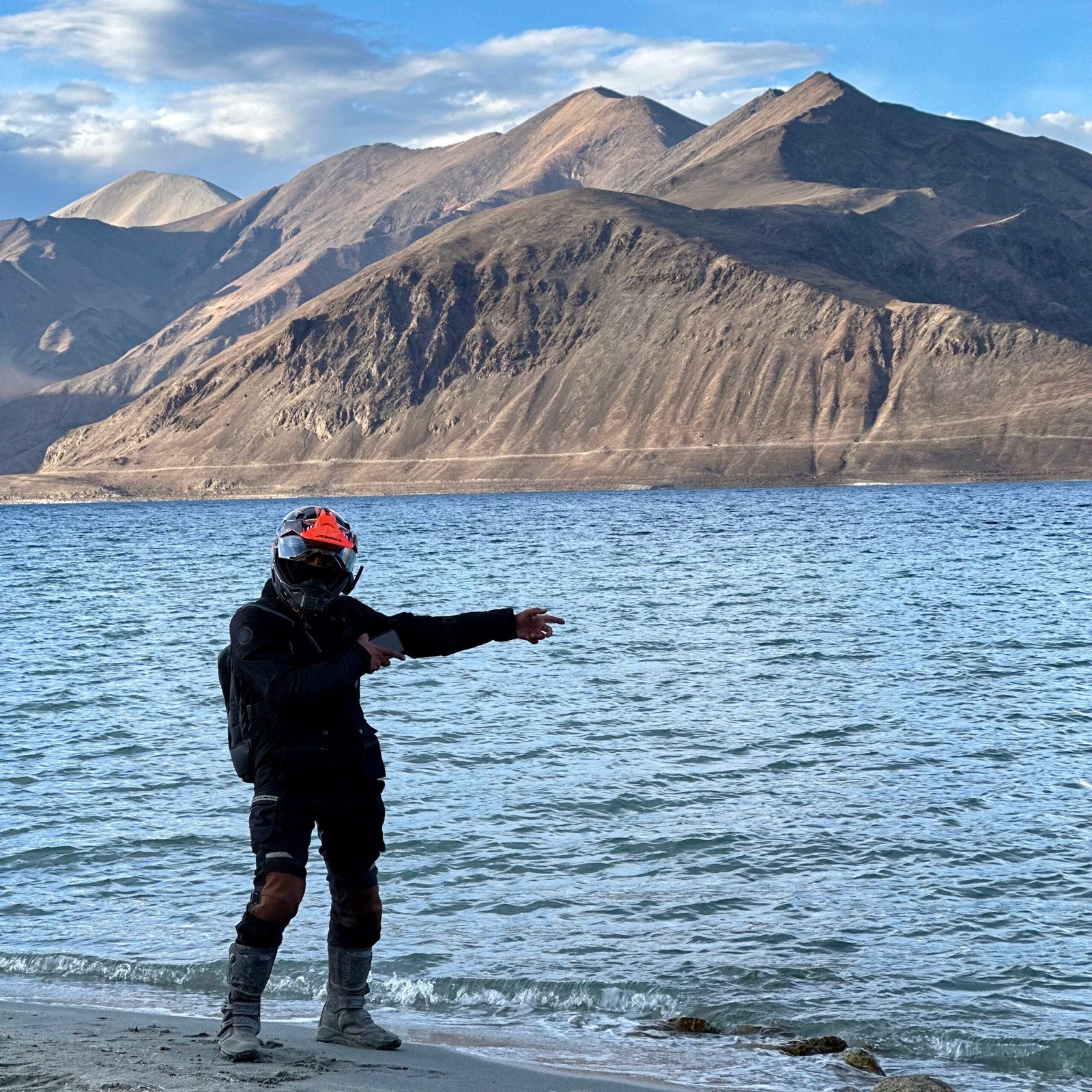
Motorcycle touring is a deeply personal endeavor, often serving as a mirror to a rider’s soul. For some, the open road is a sanctuary for solitude and introspection, where the only rhythm that matters is their own. For others, it is a shared odyssey, where the bond of camaraderie and the safety of the pack turn a simple trip into a legendary group memory. In 2026, as we seek both mental clarity and physical escape from an increasingly digital world, choosing between a solo trek and a group expedition is the first step in defining your personal “peace.”
Two Paths to the Same Peak
While the destination may be the same—whether it’s the turquoise waters of Pangong Tso or the rugged valleys of Spiti—the internal experience differs vastly based on who is riding beside you (or if anyone is at all).
The Solo Quest: Ultimate Autonomy
- The Mental Side: Solo riding is a form of “moving meditation.” Without the need to communicate with others, you become hyper-aware of your surroundings, your bike’s mechanical feedback, and your own thoughts. It is the purest way to discover your mental limits and find a quiet sense of self-reliance.
- The Freedom: You are the captain of your fate. If you see a hidden trail, you take it. If you want to spend three hours photographing a single sunrise, there is no one to tell you to hurry up.
The Group Ride: The Power of the Pack
- The Social Side: There is a unique magic in the “helmet-off” moments—the shared laughter over a steaming cup of chai after a grueling mountain pass, or the collective relief after a difficult river crossing. Group rides foster teamwork and build friendships that often last a lifetime.
- The Physical Safety: There is strength in numbers. From troubleshooting a mechanical failure to having a “spotter” during technical off-road sections, a group ride significantly lowers the stress of the “unexpected.”
Choosing Your Next Experience
| Feature | Solo Touring | Group Touring |
| Pace | Entirely your own; stop whenever. | Dictated by the group; requires discipline. |
| Safety | High reliance on self; requires GPS/SOS tools. | High; immediate help available for flats/falls. |
| Logistics | Simple; easy to find a single bed/table. | Complex; requires advance booking for many. |
| Mental State | Introspective, challenging, meditative. | Social, supportive, energetic. |
The Perspective: Hybrid Harmony
Many modern riders are now opting for a “Semi-Solo” approach. They ride with a group for the major, high-risk highway sections but agree on “free-ride” windows where everyone can explore a 50 km stretch at their own pace before meeting at a designated landmark. This balances the safety of the group with the soul-searching magic of solo riding.
Solo Touring: The Ultimate Test of Autonomy
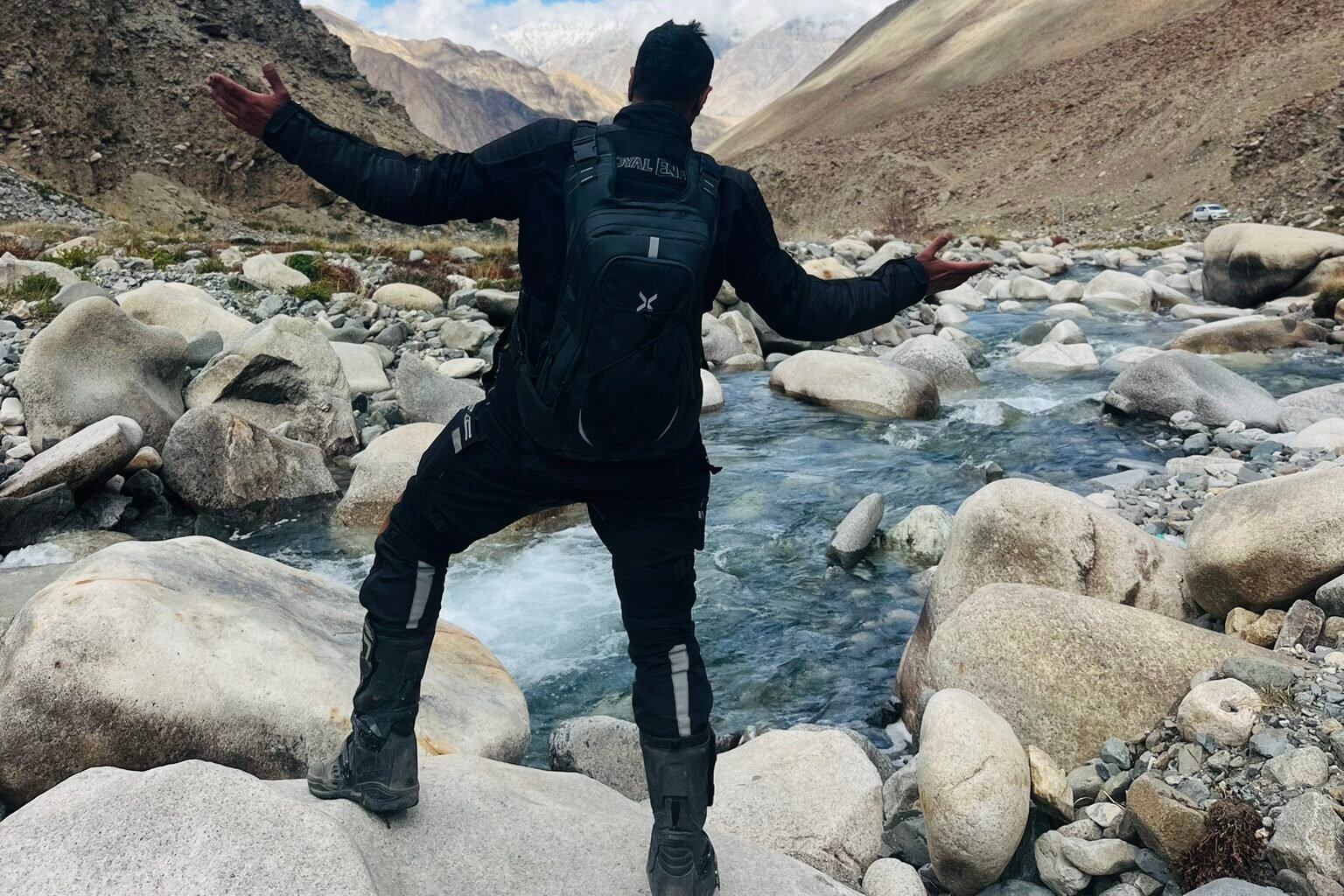
Solo touring is the “purest” form of motorcycling—a singular dialogue between you, your machine, and the landscape. It is an exercise in radical self-reliance where every triumph and every mistake is yours alone. For the rider seeking an escape from the noise of modern life, the “Lone Wolf” path offers a level of mental clarity that no group ride can replicate. In 2026, with advanced offline tech and satellite connectivity, solo riding is more accessible, but it remains a profound test of character.
The Advantages: The Power of “I”
- Absolute Sovereignty (Freedom & Flexibility): On a solo tour, your itinerary is written in pencil, not stone. If you wake up and decide you’d rather stay by the lake for another day than hit the road, there are no debates or group votes. You are the sole architect of your journey.
- The Meditative Mindset (Self-Discovery): Long, silent stretches in the helmet act as a psychological reset. Without the distraction of intercom chatter, you enter a state of “flow” where your awareness of the bike’s mechanics and the road’s texture becomes hyper-acute. This often leads to significant inner growth and a newfound confidence in your own capabilities.
- Pure Spontaneity: See a dusty trail leading toward a hidden monastery? Take it. Want to stop every five minutes to take a photograph? Do it. The ability to follow your curiosity without worrying about holding up a pack is the greatest luxury of solo travel.
The Challenges: The Weight of Responsibility
- The “Zero-Fail” Requirement (No Backup): In a group, a flat tire is a 10-minute social event. Solo, it is a technical challenge that requires total focus. If you suffer a minor injury or a mechanical failure in a “shadow zone” with no network, you must be your own mechanic and your own first-responder.
- Cognitive Load (The Navigation Burden): You are the Lead, the Sweep, and the Navigator all at once. Constant monitoring of fuel levels, weather patterns, and mountain pass closures can be mentally taxing over several days.
- The “Silent” Fatigue (Loneliness): While solitude is refreshing at first, extended solo trips—especially in vast, desolate areas like the Morey Plains—can lead to emotional exhaustion. Without a partner to share a meal or a laugh with at the end of a hard day, the “vastness” can sometimes feel overwhelming.
Pro-Tip for the Soloist: The “Digital Tether”
Being a solo rider doesn’t mean being “disconnected” from safety. Use the “Check-In Protocol”:
- Shared Live Location: Share your live location with one trusted person before you enter a dead zone.
- The “Safety Vow”: Tell them, “If you don’t hear from me by 8:00 PM, here is the hotel I was aiming for.”
- SOS Gear: Consider a satellite communicator (like a Garmin InReach or Zoleo) for remote sections of Spiti or Ladakh where even 2G signals don’t exist.
Group Touring: The Power of the Pack
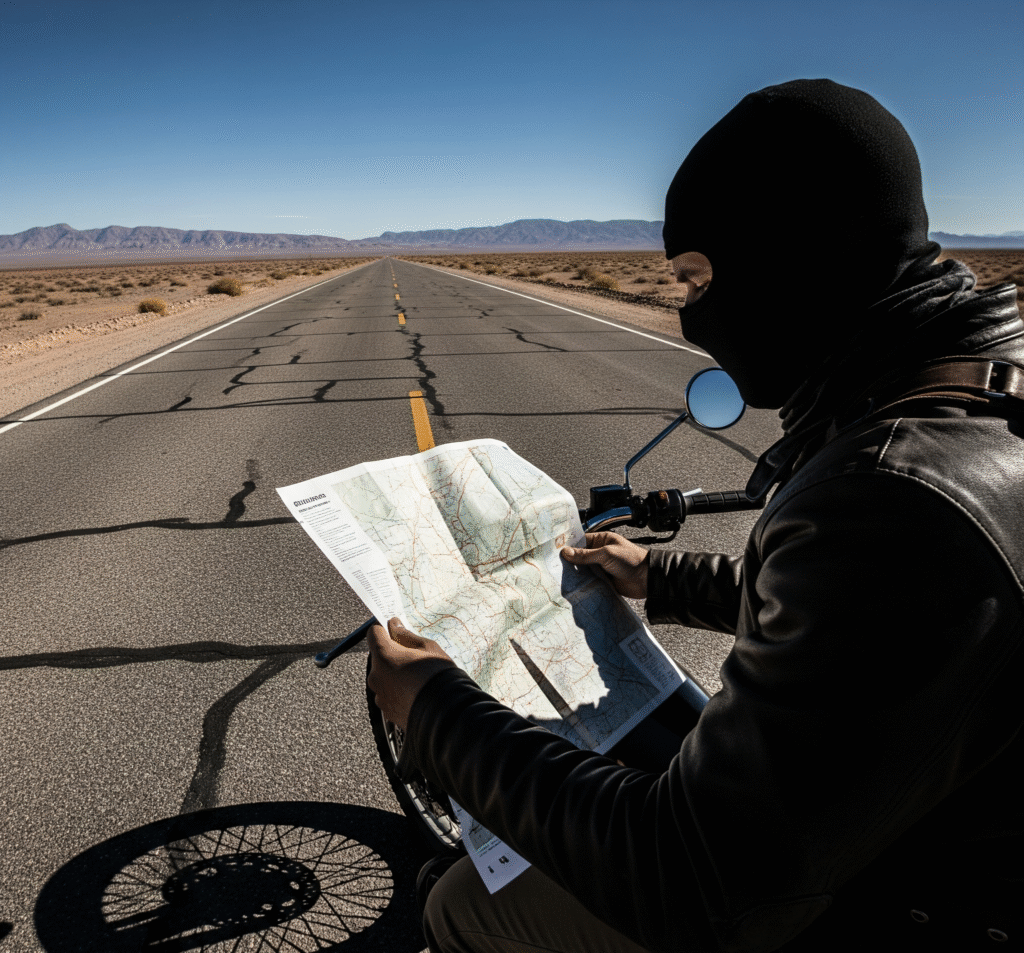
Group touring is the ultimate expression of the “Brotherhood on Two Wheels.” It transforms a journey into a shared narrative, where the collective energy of the pack sustains every rider through the toughest miles. In the high-altitude challenges of 2026, riding in a group isn’t just a social choice—it’s a tactical advantage. It is about moving as a single, synchronized unit, where the “magic” lies in knowing that whatever the road throws at you, you aren’t facing it alone.
The Advantages: Strength in Numbers
- The Ultimate Safety Net: In a group, a mechanical failure isn’t a crisis; it’s a team project. With multiple toolkits, a collective pool of mechanical knowledge, and shared medical supplies, the risk of being stranded is nearly eliminated. If a rider falls or feels the effects of AMS, there are immediate hands on deck to help.
- The “Multiplier” Effect (Shared Fun): Joy is doubled when shared. Whether it’s the roar of ten engines starting in unison, the group victory photo atop a high pass, or the late-night stories around a Spiti campfire, these communal moments become the core memories of the trip.
- Divided Logistics (Ease of Planning): You don’t have to be an expert in everything. In a well-organized group, responsibilities are split: one person handles the GPX navigation, another manages hotel bookings, and the “gearhead” of the group keeps an eye on everyone’s chain tension. This allows you to focus more on the ride and less on the “admin.”
The Challenges: The Price of Coordination
- The Loss of Autonomy (Less Freedom): When you ride in a pack, you surrender your individual clock. You cannot simply “stop and stare” at every view; you must adhere to the Group Rhythm. If the Lead says “kickstands up at 6:00 AM,” you have to be ready, regardless of how well you slept.
- The Personality Puzzle (Clashing Styles): Every rider has a different “comfort zone.” Friction can arise when a fast rider feels held back by a beginner, or when a “minimalist” rider wants to push through while others want a long lunch break. Managing these ego-dynamics requires patience and strong leadership.
- The “Logistical Creep”: A simple fuel stop for ten bikes can easily take 45 minutes. Larger groups naturally move slower through checkpoints, eateries, and photo spots. Without strict discipline, these small delays can eat up your daylight, forcing you to ride after dark—a cardinal sin in mountain touring.
Pro-Tip : The “Buffer” Strategy
To avoid the friction of group riding, implement the “Regroup Rule.” Instead of riding in a tight, suffocating line for 200 km, agree on a landmark every 40–50 km. Everyone rides at their own comfortable pace and meets at the designated spot. This gives riders a “solo-feel” experience while maintaining the safety of the group.
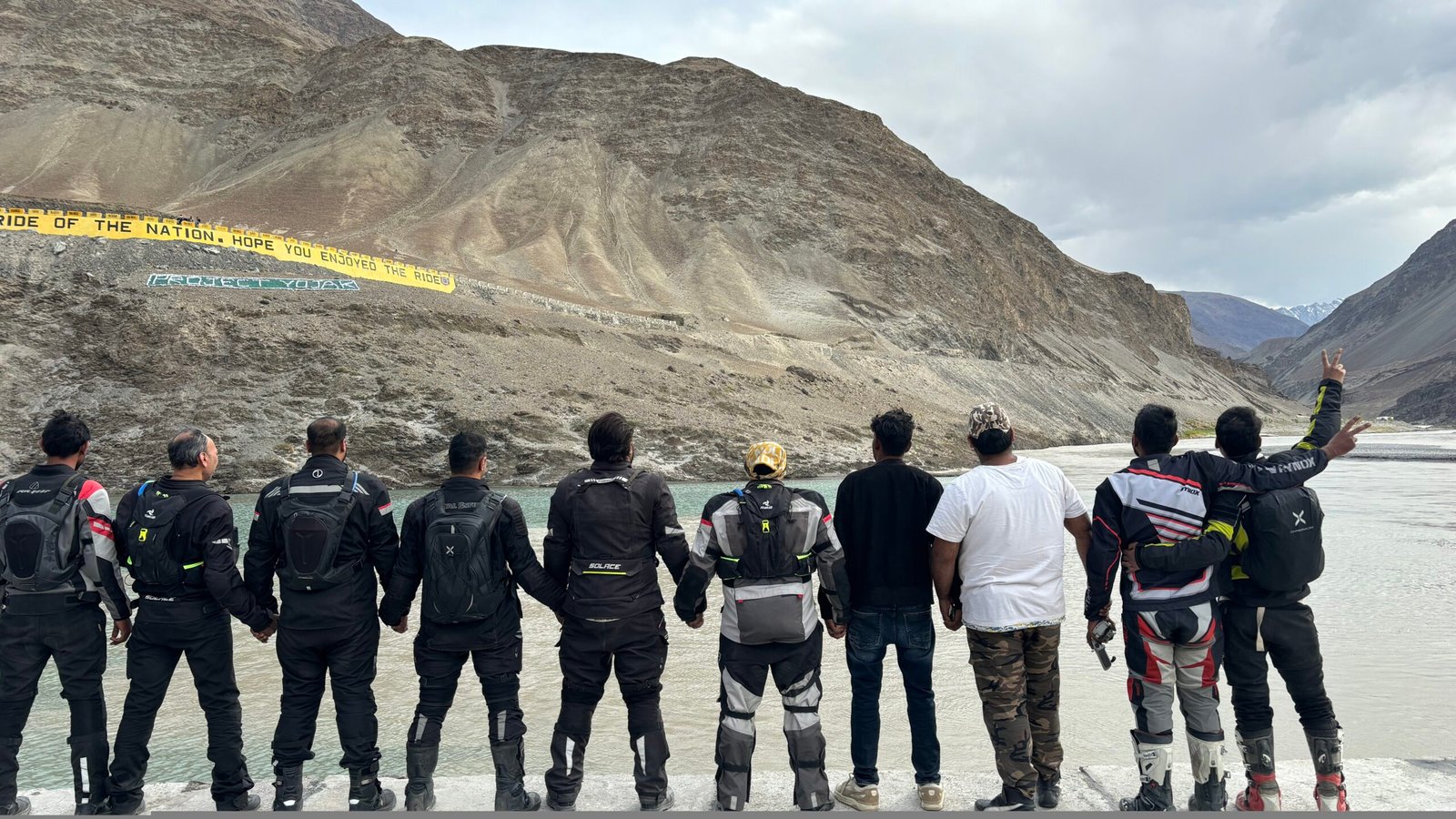
Solo vs. Group: A Comparison Chart
| Feature | Solo Touring | Group Touring |
|---|---|---|
| Flexibility | High | Moderate |
| Safety | Medium | High |
| Emotional Experience | Reflective, solitary | Energetic, collective |
| Logistics | Simple for one | Complex for many |
| Ideal For | Offbeat, self-paced exploration | Scenic, organized travel |
When to Choose Which?
Ride Solo If:
- You’re looking to clear your head or recharge emotionally and mentally.
- You want to challenge yourself.
- You’re exploring new cultures at your own pace.
- Require exclusive content for your videos and blogs.
Ride in a Group If:
- Safety is a top priority.
- You’re celebrating something (like a milestone ride).
- You love shared stories and riding vibes.
- You gel quite well with other riders.
The Hybrid Strategy: The Content Creator’s Edge
For the modern rider—especially those documenting their journey for a channel or blog—the choice isn’t “either/or.” The Hybrid Approach is the professional’s secret to balancing safety with storytelling. By beginning your expedition with a trusted crew and transitioning into solo exploration, you leverage the collective intelligence of the group to “scout” the location before diving into the deep, quiet work of content creation.
The Two-Phase Expedition Model
The most successful moto-vloggers and travelers use this “Phase” system to maximize both their safety and their creative output:
Phase 1: The Group Scouting Mission (Information Gathering)
- The Goal: Safety and logistics.
- The Advantage: Riding with a close-knit group to an offbeat or high-risk location (like a remote village in Zanskar or a hidden valley in Sikkim) allows you to map out the terrain without the stress of being alone.
- What You Learn: You identify the best “golden hour” photo spots, calculate realistic travel times between fuel stops, and note where the “road” gets technical. You get the “lay of the land” while having the backup of your brotherhood.
Phase 2: The Solo Deep-Dive (Execution & Content)
- The Goal: Creative focus and mental peace.
- The Advantage: Once you are informed and comfortable with the route, going back or staying behind solo allows you to film without the pressure of “making the group wait.”
- The Result: You can spend four hours getting that perfect drone shot or interviewing a local craftsman without feeling like a burden. Because you’ve already scouted the area, your anxiety is lower, and your “creative flow” is much higher.
Leveraging the 2026 Tech Stack
To pull off a hybrid trip, you need flexible coordination. Use these tools to bridge the gap:
- Riding Club Apps: Use community forums to find “bubble groups” heading to your destination. You can ride with them for the highway stretches and peel off once you hit the scenic zones.
- Intercom Mesh 3.0: Modern mesh intercoms allow you to drop in and out of group conversations seamlessly. You can maintain a “digital connection” with friends while riding a few kilometers apart.
- Cloud-Synced Itineraries: Share your solo plan with your group via a shared map so they always know where your “solo office” is located for the day.
Pro-Tip: The “Second-Pass” Perfection
As a content creator, your best shots rarely happen the first time you see a place—you’re usually too busy riding. The hybrid model allows for the “Second-Pass.” By exploring solo after the group ride, you aren’t just a tourist; you are a resident of that road. You know where the bumps are, which allows you to focus entirely on your camera angles and your narrative.
Final Thoughts: The Road as Your Teacher
In the end, whether you choose the silent introspection of a solo odyssey or the high-energy pulse of a group expedition, the mountain does not discriminate. The road will reward both paths with the same jagged peaks, the same biting winds, and the same profound sense of perspective. We often obsess over the “Leh” or “Kaza” signboards, but the true transformation happens in the dust, the rain, and the quiet moments between the miles. Because, as every rider eventually learns, the destination is merely a waypoint; the journey is the reward.
Defining Your Path
Every rider’s “Side” changes depending on where they are in life.
- Some years, you need the solitude to find your voice.
- Other years, you need the brotherhood to find your strength.
- And sometimes, you need the hybrid path to capture your story.
The Himalayas are a canvas, and your motorcycle is the brush. How you choose to paint your journey—whether in a single, bold stroke or as part of a vibrant collective—is entirely up to you.
The Parting Message
As you gear up and prepare to leave the “known” behind, remember that safety and soul are not mutually exclusive. Ride with discipline, respect the altitude, and look after your machine. If you do that, the mountains will reveal things to you that no map or guidebook ever could.
So, after exploring all the angles… what kind of tourer are you?

