
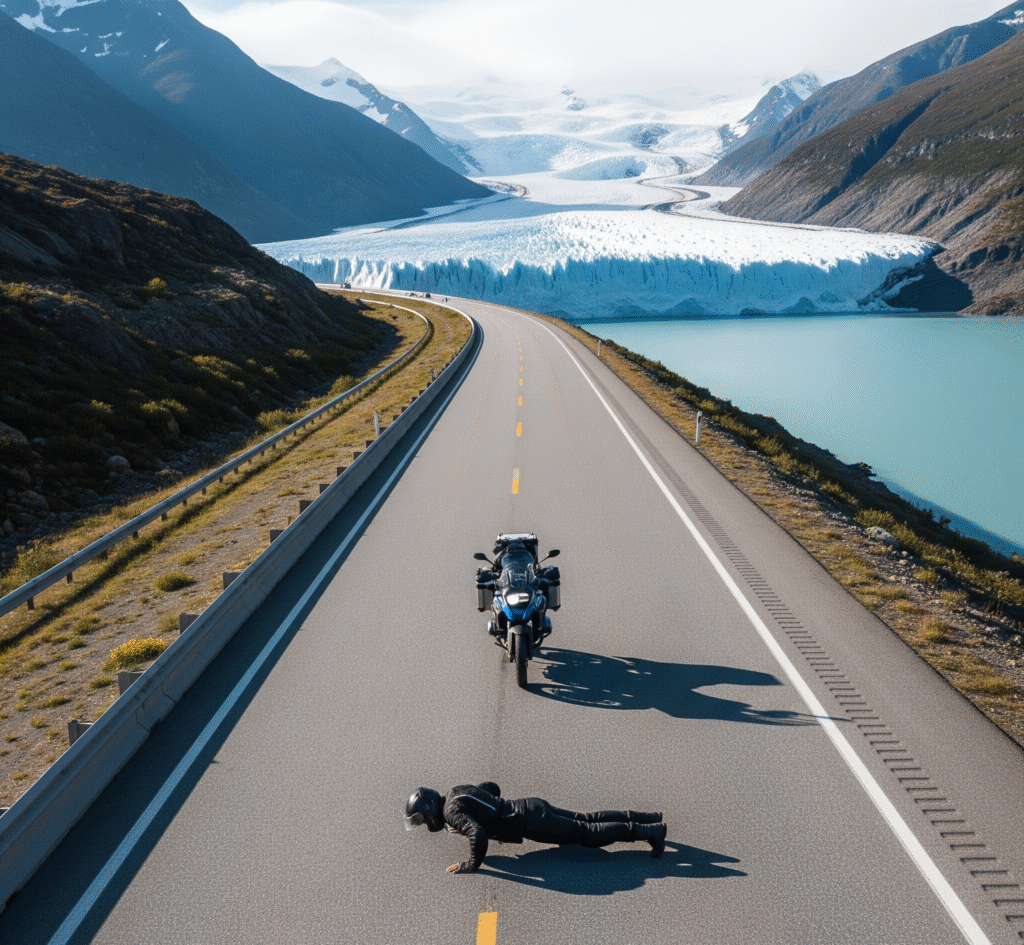
Motorcycle touring is an athletic endeavor disguised as a leisure activity. While a car driver sits in a vehicle, a motorcyclist is an active component of the machine. Every mile demands a complex “dialogue” between your muscles and the road—balancing weight, managing throttle precision, and maintaining high-speed mental processing. To cross the Himalayas or the Western Ghats successfully, your physical and mental conditioning must match the reliability of your engine. If the rider “breaks,” the journey ends, regardless of how well the bike is running.
The Anatomy of the Ride: Why It’s Taxing
Unlike any other form of travel, touring subjects your body to “Micro-Stressors” that accumulate over hours:
- Static Fatigue: Holding a single posture for 8 hours leads to “locking” in the hips and neck.
- The “Wind-Buffeting” Workout: Fighting wind resistance at highway speeds is a constant isometric exercise for your core and neck muscles.
- Cognitive Load: On a motorcycle, your brain processes 5x more environmental data than a car driver—constantly scanning for gravel, oil spills, wandering livestock, and erratic drivers.
- Core Engagement: Every turn, brake, and acceleration requires your “trunk” muscles to stabilize the combined weight of you and your luggage.
1. Pre-Ride Physical Conditioning (The “Hardware” Upgrade)
Beyond basic strength, focus on “muscular endurance.” When you are standing on your footpegs to navigate a 10km stretch of broken rocks in Spiti, your quadriceps and calves bear the brunt of the bike’s weight. Consistent training prevents the “shaky leg” syndrome that causes drops during slow-speed technical maneuvers. Cardiovascular health also improves your “recovery rate,” allowing you to bounce back quickly after a grueling day, rather than starting the next morning with lingering lethargy and muscle stiffness.
- Core Strength (The Spine’s Shield): A weak core leads to “slumped” riding, putting immense pressure on your lower back. Planks and Bird-Dogs build the isometric strength needed to stay upright for 10 hours.
- Lower Body Power: Your legs manage the bike at every stop and low-speed U-turn. Incorporate Squats and Lunges to ensure your legs don’t “give out” during a heavy-laden stop.
- The “Helmet-Neck” Workout: A 1.5kg helmet feels like 5kg after a day of wind buffeting. Practice chin tucks and resistance band pulls to prevent “biker’s neck” (cervical strain).
- Cardio Capacity: Higher stamina means your heart rate stays lower during stressful technical sections. Aim for 30 minutes of zone 2 cardio (brisk walking/cycling) 5 days a week, starting at least a month before departure.
2. Strategic Nutrition (The “High-Octane” Fuel)
Avoid the “Carb Crash” by prioritizing glycemic index awareness. While a large bowl of white rice or heavy pasta provides quick energy, it often leads to a massive mid-afternoon energy dip that impairs your reaction time. Instead, integrate “steady-burn” snacks like walnuts and almonds, which provide healthy fats that sustain brain function. In high-altitude zones, your metabolism actually works harder just to keep you warm, so increasing your protein intake is vital for repairing the micro-tears in your muscles caused by constant vibration.
- The Power Breakfast: Skip the greasy parathas. Opt for complex carbs and protein (eggs, oats, or peanut butter toast) for a slow-release energy burn that lasts until noon.
- Micro-Feeding: Instead of two giant meals, eat small portions every 3 hours. Carry trail mix, roasted chickpeas (chana), or energy bars in your tank bag.
- Precision Hydration: Dehydration is the #1 cause of “brain fog” and cramps. Use a hydration bladder (CamelBak) to sip water continuously. If you’re riding in heat, add electrolytes to replace salts lost through sweat.
3. Circadian Management (The “Recharge” Cycle)
Quality of sleep is often more important than quantity. Touring involves high sensory input, which can keep your brain in a “high-alert” state even after you lie down. To combat this, establish a “wind-down” ritual—stow your electronics an hour before sleep to allow your melatonin levels to rise naturally. If you are camping at high altitudes, remember that cold temperatures can disrupt sleep cycles; investing in a high-quality, zero-degree sleeping bag is a medical necessity for cognitive recovery.
- The 8-Hour Rule: Target 7–9 hours of quality sleep. Use an eye mask and earplugs to ensure deep REM sleep, even in noisy roadside hotels.
- Strategic Napping: If you feel “the nods” in the afternoon, pull over safely. A 20-minute power nap can reset your cognitive functions more effectively than a third cup of coffee.
4. On-Road Mobility (The “Anti-Stiffness” Protocol)
Stiffness is the precursor to injury. When muscles stay contracted in a riding position for hours, they restrict blood flow, leading to “paresthesia” or that “pins and needles” sensation in your hands and feet. Dynamic movement, such as standing up on the pegs for a minute while riding on a safe, straight stretch, helps “reset” your posture. These micro-movements flush out lactic acid buildup, ensuring that when you finally reach a technical corner, your limbs are fluid and responsive rather than rigid.
- The 2-Hour Reset: Every 100–120 km, perform a 5-minute dynamic stretch. Focus on Hamstrings (Forward Fold) and Hip Flexors (Standing Quad Stretch) to restore blood flow to compressed nerves.
- Joint Decompression: Rotate your wrists and ankles at red lights or trail stops to prevent “vibration numbness.”
5. The Personal Health Kit (The “First Responder” Pack)
Your kit should be customized for your specific destination. For instance, if riding in tropical regions like Kerala or North-East India, include anti-fungal powders and stronger insect repellents. Always include a “Medical ID” card in your wallet or taped to your helmet that lists your blood group, any known allergies (especially to antibiotics like Penicillin), and an emergency contact. This “passive” health preparation is vital for situations where you might be unable to communicate with first responders yourself.
- Essential Meds: Carry Ibuprofen (anti-inflammatory), Paracetamol (fever), Antihistamines (allergies), and a strong Antacid.
- Topicals: Volini/Relispray for muscle knots and antiseptic wipes for minor scrapes.
- Emergency Rehydration: Keep 4–5 sachets of ORS (Oral Rehydration Salts) to combat sudden heat exhaustion or stomach bugs.
6. Mental Health & Cognitive Pacing
The “invisible enemy” of the long-distance rider is “Target Fixation” caused by mental fatigue. When you are mentally drained, you tend to stare at the obstacle you want to avoid rather than the path of safety. Maintaining mental health means recognizing when you are becoming “irritable” or “clumsy”—both are early signs of cognitive exhaustion. Take a 10-minute break to simply look at the landscape without your helmet on; this visual “refresh” restores your spatial awareness and sharpens your decision-making.
- Audio Engagement: Use a helmet Bluetooth system for podcasts or music to keep your brain stimulated during long, flat highway stretches.
- Micro-Goals: Don’t think about the 500km total. Break the day into “Fuel-to-Fuel” chunks. It makes the distance psychologically manageable.
7. Hygiene: The Silent Comfort Factor
On a multi-day tour, “saddle sores” are a legitimate threat that can make riding unbearable. Using high-quality, seamless “cycling shorts” or moisture-wicking underwear reduces the friction between your skin and the seat. Additionally, prioritize “internal hygiene”—use a saline nasal spray in dusty environments like the Manali-Leh highway. This keeps your nasal passages moist, preventing the dry, painful cracks and nosebleeds that are common in high-altitude, low-humidity deserts, ultimately helping you breathe more easily.
- Anti-Chafe Protocol: Use anti-chafing powder or creams in friction zones.
- The “Fresh” Rule: Change your socks and base layers daily. Moisture-wicking fabrics are essential—they dry fast and prevent skin irritation from sweat.
8. The “Rest Day” Philosophy
Use your rest day for “Physical Decompression.” This isn’t just about sitting still; it’s about active recovery. Gentle walking or a light swimming session at a hotel pool helps move lymphatic fluid and reduce swelling in the joints. Use this time to also perform a “mental audit” of your trip—review your maps, check the upcoming weather, and reorganize your luggage. This sense of being “on top of things” reduces cortisol (stress) levels, making the next leg of your journey feel lighter.
- The 5:1 Ratio: For every 5 days of hard riding, take one full day off. Use this to wash your gear, deep-clean your chain, and allow your muscle fibers to repair.
9. Riding Gear as “Preventative Medicine”
The psychological impact of “buffeting” and “noise” is often underestimated. A helmet that is even slightly too loose will vibrate at high speeds, causing “tension headaches” by the afternoon. Similarly, wind noise is a constant stressor on the nervous system; wearing high-fidelity earplugs actually makes you more aware of your engine’s sound and emergency sirens by filtering out the exhausting “white noise” of the wind. Proper gear acts as a sensory filter, keeping your brain calm and focused.
- Noise Control: Wear earplugs. Wind noise at 80km/h causes permanent hearing damage and massive mental exhaustion over time.
- Thermal Layering: A balaclava prevents windburn on the neck, while moisture-wicking base layers prevent the “chill-and-sweat” cycle that leads to the common cold.
10. The Tech Stack: Health Monitoring
Wearables provide an early-warning system for altitude-related issues. For example, a pulse oximeter on a smartwatch can alert you if your blood oxygen (SpO2) levels drop below 85% before you even feel the major symptoms of AMS. This data allows you to make an informed decision to descend or rest before a medical emergency occurs. Furthermore, tracking your “Heart Rate Variability” (HRV) can tell you if your body is actually recovering overnight or if you need to plan an unscheduled rest day.
- Vitals Tracking: Use a Smartwatch (Garmin/Apple) to monitor your Stress Levels and Body Battery. If your “Stress” is high, it’s a sign to slow down or take a longer break.
- Hydration Reminders: Set an app (like WaterMinder) to ping your watch every 45 minutes—a physical “nudge” to take a sip from your hydration pack.
Final Pro-Tip: The “Body Scan” Protocol: Efficiency Through Relaxation
Think of your body as a battery with a finite amount of “energy juice” for the day. Every time you clench your jaw during a technical climb or white-knuckle the handlebars on a highway, you are “leaking” power. Most riders don’t realize they are holding 20–30% more muscular tension than necessary. By performing a systematic “Body Scan” every hour, you identify these energy leaks and plug them. This isn’t just about comfort; it is about endurance. A relaxed rider has better blood flow, faster reaction times, and higher mental clarity.
How to Execute the Scan:
- The Jaw: Check if your teeth are gritted. Drop your lower manifested jaw and breathe through your nose; this signals your nervous system to exit “Fight or Flight” mode.
- The Shoulders: We tend to shrug them toward our ears when tired. Deliberately drop them down and back. This opens up your chest for better oxygen intake—vital at high altitudes.
- The “Light” Grip: Your hands should control the bike, not choke it. Wiggle your fingers. If your knuckles are white, you’re wasting forearm strength. Use your core and knees to grip the tank instead.
- The Hips: Ensure you aren’t “tucking” your tailbone, which rounds the spine. Tilt your pelvis slightly forward to maintain the natural curve of your lower back.
The Result: By consciously releasing this “parasitic tension,” you reduce the cumulative physical toll on your nervous system. That “extra 50km of freshness” is often the difference between reaching your destination safely at sunset or making a fatigue-driven error in the final, most dangerous stretch of the day.
I hope this comprehensive guide has provided you with the clarity and confidence needed to kickstart your motorcycling journey. My goal is to help you navigate the steep learning curve of the road so you can focus on what truly matters: the joy of the ride.
If you found these insights helpful, there is much more to explore. From deep dives into specific gear reviews to tactical route planning and advanced riding techniques, I’ve curated a wealth of knowledge to keep you moving forward.
Take the Next Step: For more expert tips, gear breakdowns, and adventure stories, be sure to explore our full library of resources on the Guides Page and Blogs Page.
Related Posts
The Great Debate: Solo Exploration vs. Collective Adventure
Motorcycle touring is a deeply personal endeavor, often serving as…
The Rider’s Shield: A Definitive Guide to Essential Protection
Motorcycle touring is a delicate dance between man, machine, and…

The Essential Guide to Tyre Inflators: Your Roadside Insurance
Whether you are navigating the dense, chaotic concrete jungle of…