
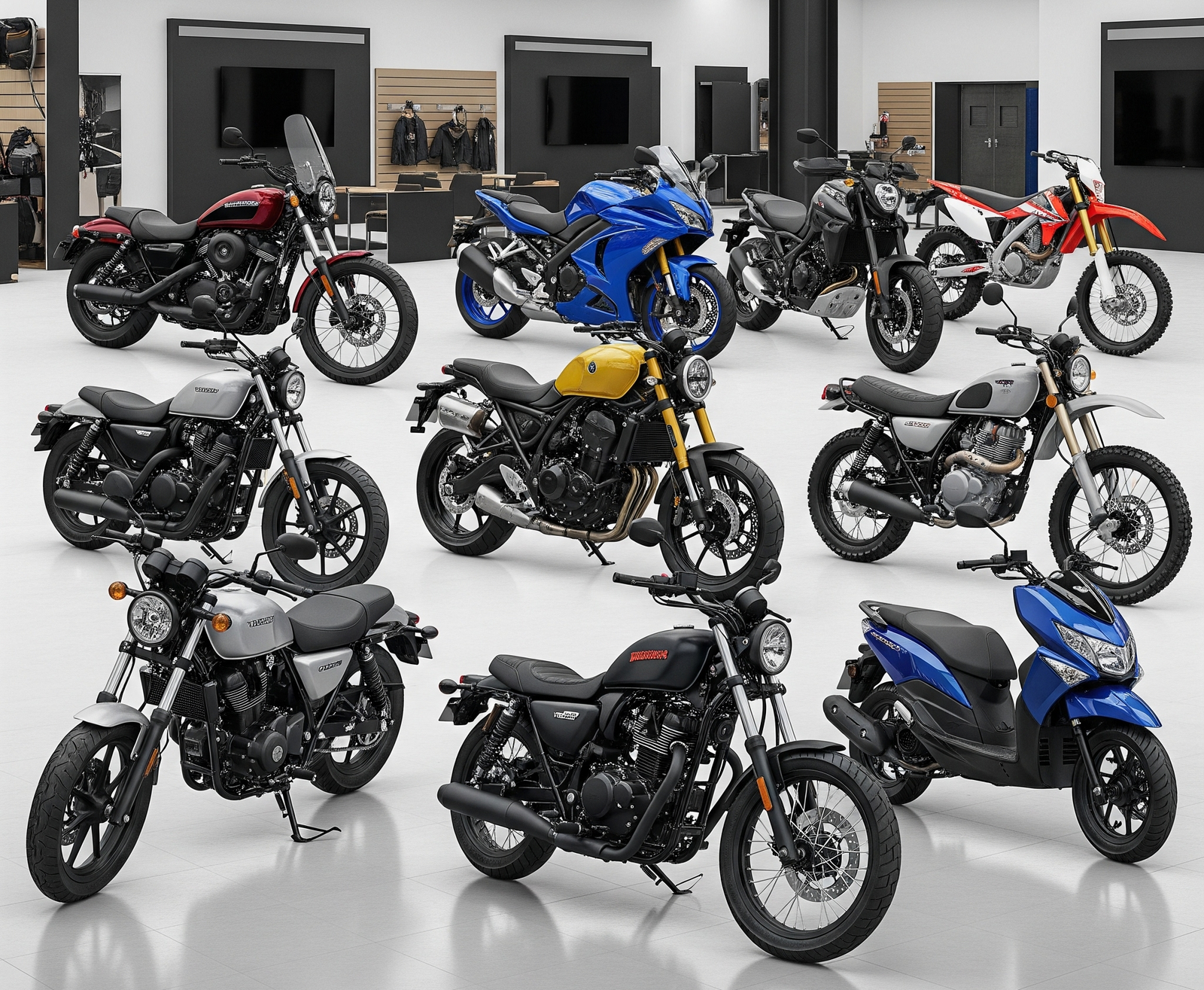
As you stand at the threshold of the motorcycling world, the sheer variety of chrome and steel can be overwhelming. However, selecting your first (or next) motorcycle is far more than a financial transaction—it is a foundational choice that defines how you will experience the road. A motorcycle is an extension of your intent. Whether your goal is to weave through the kinetic energy of a morning commute, disappear into the silence of a weekend forest trail, or devour thousands of highway kilometers, there is a specific geometry and engine configuration designed to make that dream effortless.
Understanding the “Requirement vs. Desire” Balance
The “perfect” bike isn’t the fastest or the most expensive; it is the one that fits your current lifestyle and skill level. The market has become highly specialized, offering niche machines for every type of rider profile:
- The Urban Navigator (The Commuter): For those who view the city as a puzzle to be solved. These bikes prioritize flickability, fuel efficiency, and upright ergonomics to keep you comfortable in stop-and-go traffic.
- The Weekend Wanderer (The Sport/Cruiser): For those who ride for the “Sunday morning ritual.” These machines focus on either high-performance handling for twisty backroads or relaxed, low-slung comfort for effortless boulevard cruising.
- The Horizon Chaser (The Tourer): Built for the long haul. These bikes feature wind protection, luggage capacity, and engines designed to sit at highway speeds for hours without vibration or fatigue.
- The Dirt Specialist (The Off-Roader/Dual-Sport): For those who believe the best roads aren’t roads at all. These bikes feature long-travel suspension and rugged frames meant to take a beating where the pavement ends.
Why the “Right Fit” Matters
Choosing a bike that doesn’t match your requirements is the fastest way to kill your passion for riding.
- The Weight Factor: A heavy adventure bike might look cool, but if you’re a beginner in a crowded city, it will feel like a burden rather than a joy.
- The Power Curve: A high-revving supersport is exhilarating on a track, but can be twitchy and uncomfortable during a slow-speed mountain tour.
- The Ergonomic Equation: Your height and reach dictate which bikes will feel like a “natural fit.” Comfort isn’t just a luxury; it’s a safety feature that prevents fatigue-related errors.
Pro Tip: The “Test Ride” Reality Check
Never buy a motorcycle based on a spec sheet or a YouTube review alone.
- The Fix: Visit a dealership and spend at least 20 minutes in the saddle. Check if your feet can touch the ground comfortably, if the reach to the handlebars feels natural, and if the weight feels manageable when you tilt the bike off the side-stand. The bike that “speaks” to you in person is often different from the one you loved on a screen.
This comprehensive guide breaks down the most popular motorcycle categories, their characteristics, typical costs in India, and who they’re best suited for.
1. Standard (Naked) Motorcycles: The Raw Versatility of the Roadster
Often referred to as “Roadsters” or “Naked Bikes,” these motorcycles are the spiritual successors to the original universal motorcycle design. By stripping away the bulky plastic fairings and bodywork, manufacturers expose the raw mechanical heart of the machine—the engine and the chassis. This “stripped-down” philosophy isn’t just an aesthetic choice; it creates a lightweight, flickable, and honest riding experience. As the “Jack-of-all-trades” in the motorcycling world, the Naked bike offers a perfect balance of utility and excitement, making it the most approachable category for the modern rider.
The Ergonomic Advantage: The “Upright” Factor
The defining characteristic of a Standard motorcycle is its neutral ergonomics. Unlike a sportbike that hunches you forward or a cruiser that leans you back, a Roadster places you in a natural, upright seating position.
- The Benefit: Your weight is evenly distributed between your seat and the footpegs, reducing strain on your wrists and lower back. This makes the bike exceptionally comfortable for a 30-minute dash through city traffic or a three-hour weekend escape into the countryside.
Why It’s the Perfect Starting Point
- Urban Agility: Without a heavy front fairing, the steering is light and immediate. This allows you to navigate through congested urban corridors with surgical precision.
- Mechanical Accessibility: Since the engine is exposed, basic maintenance—like checking oil levels or cleaning the spark plugs—is much easier for the DIY-minded rider.
- Low Stakes: Because there is minimal plastic bodywork, a minor “tip-over” in a parking lot usually results in much cheaper repair bills compared to a fully-faired motorcycle.
The Tactical Breakdown
| Feature | Detail |
| Ideal For | Beginners building confidence, daily city commuters, and casual weekend explorers. |
| Economic Range | ₹1,00,000 – ₹3,00,000 (Great value-for-money entry point). |
| Key Advantages | Lightweight frame, intuitive handling, and a “mechanical” look. |
| The Trade-off | Wind Blast: The lack of a windshield means you take the full force of the wind on your chest at highway speeds (over 90 km/h), which can be fatiguing on long tours. |
Popular Models in the Category
- The Reliable Commuters: Yamaha FZ Series, Honda Hornet, Suzuki Gixxer.
- The Performance Streetfighters: KTM Duke 125, 200, 250, 390.
- The Neo-Retro Class: Triumph Speed 400, Husqvarna Vitpilen.
Pro Tip: The “Wind Screen” Hack
If you love the look and feel of a Naked bike but plan to do occasional highway touring, you don’t need a new bike.
- The Fix: Purchase an aftermarket bolt-on flyscreen or windshield. These small additions can deflect a significant amount of wind over your helmet, turning a “city bike” into a much more capable long-distance machine without sacrificing its aggressive, stripped-down look.
2. Cruisers: The Kings of the Open Highway
Cruisers are the embodiment of “relaxed displacement.” Heavily inspired by the classic American aesthetic, these machines are designed for the rider who values the journey as much as—if not more than—the destination. With their low-slung profiles, swept-back handlebars, and signature “laid-back” stance, cruisers prioritize effortless style and mechanical soul. They aren’t built for breaking lap records; they are built for “thumping” down an endless ribbon of asphalt with the wind in your face and a relaxed heart rate.
The “Sofa on Wheels” Experience
The cruiser’s defining trait is its rider-centric comfort. Everything about the geometry is designed to minimize physical strain during long stretches of riding:
- The Low-Seat Advantage: Most cruisers feature a very low seat height, allowing almost any rider to plant both feet firmly on the ground. This provides immense confidence when stopping at traffic lights or maneuvering in parking lots.
- Forward-Set Controls: Unlike other bikes where your feet are tucked under you, cruisers often place the footpegs forward. This opens up your hip angle, creating a posture similar to sitting in a recliner chair.
- Low-End Torque: Cruiser engines are tuned for “grunt.” You don’t need to constantly shift gears; the engine provides plenty of pulling power at low speeds, making for a smooth, rhythmic riding experience.
The Tactical Breakdown
| Feature | Detail |
| Ideal For | Highway touring, riders who prefer a relaxed pace, and those who prioritize classic “cool” aesthetics. |
| Economic Range | ₹1,50,000 – ₹4,50,000 (Varies based on engine displacement and chrome finish). |
| Key Advantages | Exceptional straight-line stability, low seat height, and high “customization” potential. |
| The Trade-off | Weight and Agility: Cruisers tend to be heavy and have a long wheelbase. This makes them less “flickable” in tight city traffic and harder to lean deep into sharp corners. |
Iconic Models in the Category
- The Modern Classics: Royal Enfield Classic 350, Jawa 42, Honda H’ness CB350.
- The Dedicated Cruisers: Royal Enfield Meteor 350, Kawasaki Eliminator 400.
- The Power Cruisers: Royal Enfield Super Meteor 650.
Pro Tip: The “Back-Rest” Upgrade
While the “laid-back” position is incredibly comfortable for your legs, it puts most of your body weight directly on your spine rather than sharing it with your legs (as a Naked bike does).
The Fix: If you plan on doing 500km+ days, invest in a rider backrest or a high-quality pillion backrest if riding two-up. This small addition provides the lumbar support needed to prevent “cruiser slouch” and keeps your lower back fresh for the entire trip.
3. Sportbikes: Precision Engineering and High-Velocity Thrills
Sportbikes are the street-legal descendants of the racetrack. Every curve, clip-on handlebar, and fairing is engineered for a singular purpose: maximum performance. These machines prioritize speed, lean angle, and aerodynamic efficiency above all else. With a “committed” riding posture that tucks the rider into the bike’s silhouette, sportbikes offer a visceral, connected feeling that turns every corner into a technical challenge and every straightaway into a rush of adrenaline.
The Geometry of Speed
The defining characteristic of a sportbike is its aggressive ergonomics. This isn’t a design for a casual stroll; it’s a cockpit for a pilot.
- The “Tucked” Posture: By placing the footpegs high and rearward and the handlebars low, the bike forces the rider into a crouch. This lowers the center of gravity and minimizes wind resistance, allowing the machine to slice through the air with surgical precision.
- Faired for Efficiency: The “fairings” (plastic bodywork) are not just for looks. They are wind-tunnel tested to provide stability at high speeds and to channel heat away from the high-revving engine.
- Precision Handling: Sportbikes feature stiff suspension and sharp steering geometry, allowing for lightning-fast transitions between left and right turns.
The Tactical Breakdown
| Feature | Detail |
| Ideal For | Speed enthusiasts, track-day hobbyists, and those who prioritize handling over comfort. |
| Economic Range | ₹1,80,000 – ₹6,00,000+ (Premium tech comes at a premium price). |
| Key Advantages | Rapid acceleration, advanced electronics (like traction control), and unmatched cornering ability. |
| The Trade-off | Ergonomic Strain: The weight of your torso is supported by your wrists and core. After 2 hours in the saddle, this can lead to significant fatigue in the neck, back, and wrists. |
Dominant Models in the Category
- The Lightweight Kings: Yamaha R15 V4, KTM RC 125/200.
- The Mid-Tier Predators: KTM RC 390, TVS Apache RR310, BMW G 310 RR.
- The Multi-Cylinder Icons: Kawasaki Ninja 300, 400, 500, and the legendary Z900.
Pro Tip: The “Core Strength” Secret
Many new sportbike riders complain of “numb wrists” after just 30 minutes of riding. This is almost always caused by “leaning” on the handlebars.
- The Fix: Use your core muscles and legs to grip the tank. By supporting your upper body with your abs and thighs, you take the pressure off your wrists. This not only eliminates the pain but also allows your hands to stay light on the controls, which is essential for the precise steering these bikes were built for.
4. Adventure Motorcycles (ADVs): The “Any-Road” Explorers
Adventure motorcycles, or ADVs, are the SUVs of the two-wheeled world. They are engineered for the rider who refuses to let the map dictate their journey. Whether you are cruising at triple-digit speeds on a smooth expressway or navigating a rocky riverbed in the Himalayas, the ADV is designed to thrive. Combining the long-distance comfort of a tourer with the rugged “go-anywhere” DNA of a dirt bike, these machines offer unparalleled versatility for the modern explorer.
Built for the Unpredictable
The silhouette of an ADV is unmistakable, defined by a “tall and commanding” presence. Every design element is focused on resilience and adaptability:
- Long-Travel Suspension: ADVs feature “plush” suspension that can soak up massive potholes and corrugated gravel roads without breaking a sweat. This translates to a “cloud-like” ride quality even on poorly maintained city roads.
- High Ground Clearance: The engine is positioned high off the ground to prevent “sump damage” when crossing obstacles like rocks, fallen branches, or high speed-breakers.
- Commanding View: The tall seat height provides the rider with a “bird’s-eye view” of traffic and the trail ahead, allowing for better anticipation of hazards.
- Upright Endurance: The ergonomics are perfectly upright, with wide handlebars that provide immense leverage for technical off-road maneuvers.
The Tactical Breakdown
| Feature | Detail |
| Ideal For | Long-distance tourers, mountain explorers, and riders who want one bike to do everything. |
| Economic Range | ₹2,20,000 – ₹7,00,000+ (Reflecting the high-spec suspension and tech). |
| Key Advantages | Incredible comfort, massive fuel range, and the ability to explore off-pavement. |
| The Trade-off | The “Height” Barrier: These bikes are tall and can be heavy. Riders with shorter inseams may find it challenging to “flat-foot” at stoplights, and the weight can be intimidating during slow-speed u-turns. |
Leading Models in the Category
- The Benchmark Explorer: Royal Enfield Himalayan 450.
- The Precision Tourers: KTM 390 Adventure (S and X variants).
- The Premium Entry: BMW G 310 GS.
- The Mid-Weight Champions: Triumph Tiger Sport 660, Suzuki V-Strom 800DE.
Pro Tip: The “One-Foot” Technique
Many riders shy away from ADVs because of the tall seat height.
- The Fix: You don’t actually need to put both feet on the ground. Master the “Left Foot Down” technique: as you come to a stop, keep your right foot on the rear brake and shift your weight slightly to the left to plant that foot firmly. This allows even shorter riders to confidently manage the tallest adventure machines on the market.
5. Touring Motorcycles: The First-Class Cabin of the Road
Touring motorcycles are the undisputed masters of the long-distance odyssey. While other bikes might “handle” a trip, a tourer is built for it. These machines are engineered to transform cross-country travel into a seamless, low-fatigue experience. Featuring massive wind protection, expansive luggage capacity, and ergonomics that prioritize both the rider and the pillion, a dedicated tourer allows you to cover 800km in a day and still have the energy to enjoy the destination. This is the luxury segment of the motorcycling world—where the focus shifts from the machine’s speed to the rider’s endurance.
The Anatomy of Endless Distance
A touring motorcycle is essentially a high-speed “base camp” on wheels. Its design is dictated by three core requirements: wind management, storage, and shared comfort.
- The Aerodynamic Shield: Large, often adjustable windscreens and wide fairings create a “bubble” of calm air, protecting the rider from the punishing windblast and road debris that cause rapid fatigue.
- Integrated Logistics: Unlike other bikes where luggage is an afterthought, tourers come with integrated panniers and top boxes. These are hard-shelled, lockable, and weather-sealed, keeping your gear safe and the bike’s center of gravity balanced.
- Pillion-Centric Design: If you frequently ride with a partner, the tourer is the gold standard. They offer wide, “plush” seats and often feature backrests, ensuring your passenger is just as comfortable as you are.
- High-Tech Suites: In 2026, many tourers feature Cruise Control, Heated Grips, and Infotainment systems with built-in navigation, making the journey as intuitive as driving a premium car.
The Tactical Breakdown
| Feature | Detail |
| Ideal For | Cross-country travelers, couple-touring, and riders who want the highest level of luxury and tech. |
| Economic Range | ₹3,00,000 – ₹15,00,000+ (One of the most capital-intensive segments). |
| Key Advantages | Unmatched comfort, high fuel capacity for long stints, and pre-installed luggage systems. |
| The Trade-off | Mass and Maneuverability: These are the “heavyweights.” Their size makes them cumbersome in tight city alleys or when trying to back into a sloped parking space. |
Iconic Models in the Category
- The Middleweight Powerhouses: Kawasaki Versys 650, Triumph Tiger Sport 660.
- The Long-Haul Cruisers: Royal Enfield Super Meteor 650.
- The Premium Globetrotters: Triumph Tiger 900/1200 Series, BMW R 1250 RT.
- The Ultimate Icon: Honda Gold Wing (the “Limo” of motorcycles).
Pro Tip: The “Pillion communication” Strategy
Because touring bikes are so quiet and comfortable, they encourage long-duration travel with a passenger.
- The Fix: Invest in a high-quality Mesh Intercom system (like Cardo or Sena). When you are riding for 8 hours a day, the ability to chat effortlessly with your passenger about the scenery or upcoming stops turns a long ride into a shared memory rather than a silent endurance test.
6. Dual-Sport / Enduro: The Trail-Bashing Specialists
Dual-Sport and Enduro motorcycles are the ultimate “chameleons” of the two-wheeled world. While an ADV is a touring bike that can go off-road, a Dual-Sport is essentially a dirt bike with a license plate. These machines are stripped of all unnecessary weight, featuring high-clearance fenders, knobby tires, and ultra-rugged frames. They are built for the rider who sees a paved road merely as a necessary connection between two dirt trails. If your goal is to “commute through the week and conquer the wild on the weekend,” the Dual-Sport is your weapon of choice.
The Minimalist Warrior
A Dual-Sport prioritizes mechanical simplicity and “crash-ability” over long-distance luxury.
- Ultra-Lightweight Agility: By removing heavy fairings, windscreens, and complex luggage racks, these bikes are significantly lighter than ADVs. This makes them incredibly easy to “flick” through tight forest trails or lift back up if you drop them in a muddy rut.
- Trail-Ready Suspension: They feature long-travel, “spongy” suspension designed to absorb hard landings from jumps and the constant pounding of jagged rocks.
- Slim Profile: The narrow seat and tank allow the rider to move their body weight freely—standing on the pegs and leaning the bike independently—to maintain balance on technical terrain.
The Tactical Breakdown
| Feature | Detail |
| Ideal For | Weekend trail riders, off-road students, and urban riders who want a “pothole-proof” commuter. |
| Economic Range | ₹1,40,000 – ₹3,50,000+ (Highly accessible entry point). |
| Key Advantages | Extremely durable, easy to repair, and incredibly fun on technical dirt tracks. |
| The Trade-off | Highway Fatigue: The narrow, “plank-like” seats and lack of wind protection make them uncomfortable for rides longer than 100km. The small fuel tanks also mean frequent stops at the pump. |
Leading Models in the Category
- The Indian Trail King: Hero Xpulse 200 4V / 210 (The go-to for beginners).
- The Global Benchmarks: Suzuki DR-Z400, Honda CRF300L.
- The Off-Road Purists: Kawasaki KLX and KX series (specifically the KLX230/300).
- The Performance Enduros: KTM EXC series, GasGas.
Pro Tip: The “Seat Cushion” Strategy
If you love the agility of a Dual-Sport but find the seat too painful for the 50km ride to the trailhead.
- The Fix: Invest in a removable Air-Comfy or Gel seat pad. Strap it on for the highway transit to keep your backside happy, then simply unclip it and shove it in your backpack once you reach the dirt. This gives you the comfort of a tourer for the road and the slim profile of an Enduro for the trails.
7. Scooters: The Ultimate Urban Mobility Tool
Scooters represent the pinnacle of practicality and accessible mobility. Designed with a “step-through” frame and a twist-and-go automatic transmission (CVT), they remove the complexity of gear shifts and clutch modulation. This makes them the most egalitarian vehicle on the road—equally suited for a student’s first ride, a professional’s daily commute, or a family’s quick errand run. In the congested, high-traffic environments of modern cities, the scooter isn’t just a vehicle; it’s a “time-saving appliance” that offers unmatched convenience and storage.
The Architecture of Convenience
The scooter’s design philosophy is diametrically opposed to that of a motorcycle; it prioritizes “ease of use” and “on-board utility” above all else.
- Automatic Transmission: The lack of gears means you can focus 100% on the road and your surroundings. It is the most stress-free way to navigate stop-and-go urban gridlock.
- On-Board Storage: One of the greatest advantages is the under-seat storage compartment, allowing you to stow a helmet, groceries, or a laptop bag securely and away from the elements.
- Weather Protection: The wide front “apron” and floorboard protect the rider’s legs from road splash, wind, and debris, allowing you to arrive at your destination looking much cleaner than on a traditional bike.
- The Step-Through Frame: This allows riders of all heights and attire (including formal wear) to mount and dismount the vehicle with ease and dignity.
The Tactical Breakdown
| Feature | Detail |
| Ideal For | Pure city commuting, learners building road sense, and budget-conscious daily travel. |
| Economic Range | ₹80,000 – ₹1,60,000 (The most affordable entry into motorized transport). |
| Key Advantages | Exceptional fuel efficiency, massive storage, and effortless “twist-and-go” operation. |
| The Trade-off | Limited Versatility: Small wheels and shorter suspension travel make them uncomfortable on broken roads and unstable at high highway speeds. They are not built for long-distance touring. |
Popular Models in the Category
- The Unrivaled Icon: Honda Activa 6G (Known for legendary reliability).
- The Performance Scooters: TVS Ntorq 125, Aprilia SR 160 (For those who want more “zip”).
- The Premium Classics: Suzuki Access 125, Vespa VXL 150.
- The Tech-Forward Electrics: Ather 450X, Ola S1 Pro (The 2026 leaders in urban EV mobility).
Pro Tip: The “Small Wheel” Caution
Because scooters typically have 10-inch or 12-inch wheels, they are much more sensitive to potholes than motorcycles.
- The Fix: Always maintain a higher “scanning distance” on the road ahead. What looks like a minor dip to a motorcycle could be a significant jolt for a scooter. By looking further ahead, you can smoothly navigate around road imperfections, keeping the ride stable and saving your suspension from unnecessary wear.
Expert Strategy: How to Finalize Your Decision
Choosing a motorcycle is an emotional experience, but the final purchase should be governed by logic. Even after you’ve identified the “type” of bike that fits your soul, the practicalities of ergonomics, budget, and actual daily usage must take center stage. A motorcycle that looks stunning in a showroom but feels cumbersome in a traffic jam—or drains your savings so much that you can’t afford to ride it—will quickly become a source of regret rather than joy.
The Golden Rules of Acquisition
To ensure your new machine brings you years of freedom rather than a “blunder on your pocket,” follow these four strategic principles:
1. The Power of the Comparative Test Ride
Never buy a bike based on a spec sheet or a single ride.
- The Strategy: Always test ride at least two different types of motorcycles before signing the papers. You might think you want a Sportbike, but after 15 minutes on a Naked Roadster, you might realize the upright comfort is actually what you need. A comparative ride provides the “context” your brain needs to make a balanced choice.
2. The Ergonomic Reality Check (Fit Matters)
If you are struggling to manage the bike’s physical size, you won’t enjoy the ride.
- The Strategy: Ensure you can “flat-foot” (or at least comfortably “ball-foot”) the bike while at a stop. Can you reach the handlebars without straining your shoulders? Can you toggle the turn signals without looking down? If the bike feels like it’s “riding you” rather than you riding it, keep looking.
3. The “90% Rule” for Use Cases
It is tempting to buy a bike for the “dream trip” you might take once a year, but you should buy the bike for the riding you do every day.
- The Strategy: A massive 650cc tourer or a 1000cc sportbike may look incredible, but if 90% of your riding is in dense city traffic, that bike will become a heavy, overheating liability. Choose a machine that excels in your most frequent riding environment; it’s better to have a bike that is “just enough” for the highway and “perfect” for the city than the other way around.
4. The “Total Cost of Ownership” (The Hidden Math)
The sticker price on the bike is just the beginning of the investment.
- The Strategy: Don’t stretch your budget to the absolute limit just to buy the machine. You must leave a “financial cushion” for:
- Safety Gear: Helmet, jacket, gloves, and boots (as we covered earlier).
- Accessories: Crash guards, luggage racks, or better seats.
- Insurance & Maintenance: Service costs and premiums.
- The Reality: Over-leveraging yourself financially turns a hobby into a burden. If a bike forces you to skip on quality safety gear or skip a service interval, it is the wrong bike for your current budget.
Final Pro Tip: The “Sleep On It” Rule
The “New Bike Fever” is real. The excitement of the showroom floor can cloud your judgment.
- The Fix: After your test ride, go home. Give yourself 24 to 48 hours to let the adrenaline fade. If the bike still feels like the right tool for your lifestyle (and your wallet) once the “hype” has settled, you’ve found your perfect match.
Final Thoughts: Crafting Your Own Legend
At its essence, choosing the right motorcycle is an exercise in self-alignment. It is the process of synchronizing your daily lifestyle, your long-term dreams, and your financial reality into a single, mechanical companion. The right motorcycle does more than just transport you from point A to point B; it serves as a catalyst that transforms a mundane commute into a ritual and a weekend trip into a life-defining odyssey. Whether you are chasing the golden hour on a low-slung cruiser or precisely carving through a mountain pass on a sportbike, the machine you choose dictates the flavor of your freedom.
The Art of the “Hybrid” Rider
One of the most exciting aspects of modern motorcycling is that you don’t always have to choose just one path. Many of the best machines on the market today are “Hybrids”—blending the best traits of two different worlds to create something uniquely capable.
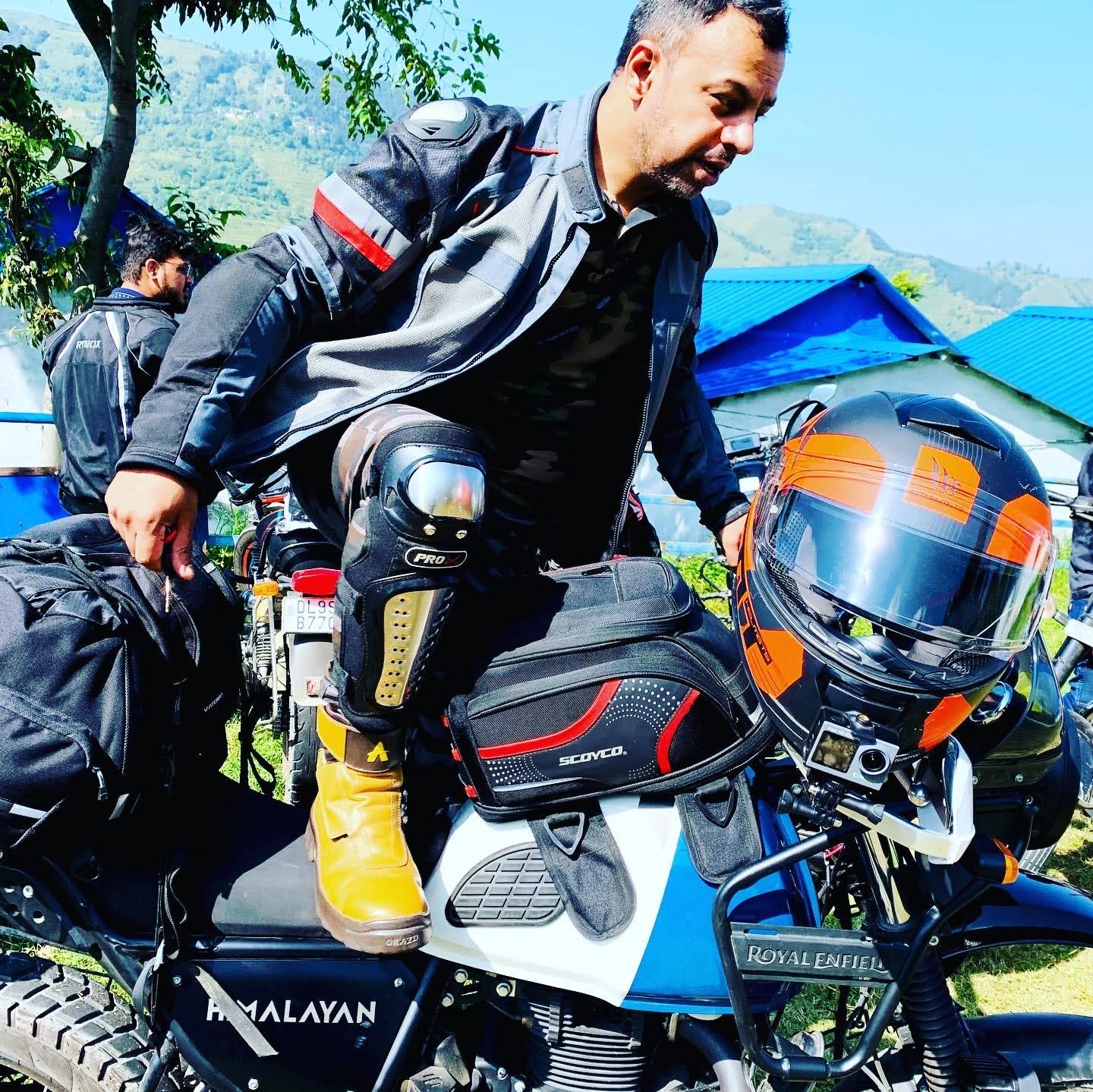
- The Personal Choice: I personally prefer the “Adventure Tourer” philosophy. I ride a Royal Enfield Himalayan 450 because it perfectly bridges the gap between long-distance highway comfort and rugged, off-road grit. It allows me to tour across states with ease, but never forces me to turn back when the tarmac ends.
- Mix and Match: You can find your own middle ground. Perhaps you want the soul of a Cruiser with the performance of a Sportbike (the “Power Cruiser”), or the agility of a Naked Bike with the luggage capacity of a Tourer.
Your Roadmap to the Ride
As you move forward into the world of two wheels, keep these pillars in mind:
- Safety First: Never compromise on the “Big Five” (Helmet, Jacket, Gloves, Pants, Boots).
- Logic Over Ego: Buy the bike you can handle and afford today, not the one you hope to handle in five years.
- The Context of Use: Ensure your bike excels in the environment where you spend 90% of your time.
The road is calling, and whether it’s paved, gravel, or dirt, the right motorcycle is waiting to take you there.
I hope this comprehensive guide has provided you with the clarity and confidence needed to kickstart your motorcycling journey. My goal is to help you navigate the steep learning curve of the road so you can focus on what truly matters: the joy of the ride.
If you found these insights helpful, there is much more to explore. From deep dives into specific gear reviews to tactical route planning and advanced riding techniques, I’ve curated a wealth of knowledge to keep you moving forward.
Take the Next Step: For more expert tips, gear breakdowns, and adventure stories, be sure to explore our full library of resources on the Guides Page and Blogs Page.
Related Posts
Hydration on Two Wheels: Water Bottle vs. Hydration Bladder
If you primarily travel by car, the choice is simple:…
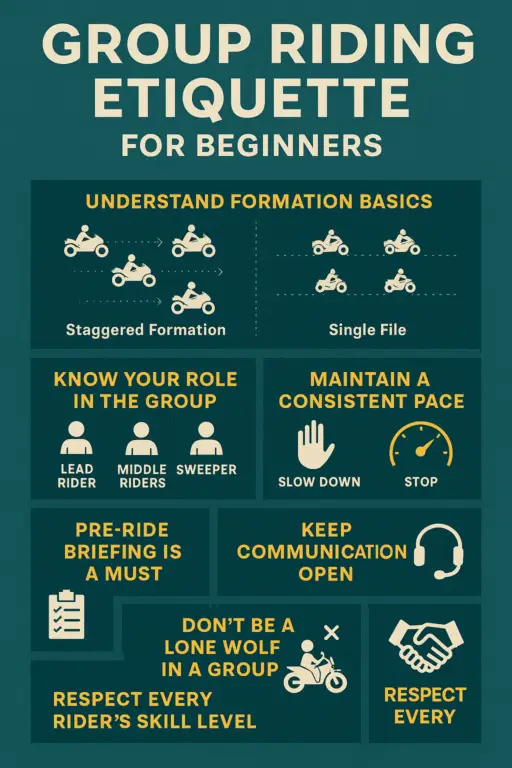
Group Riding Etiquette for Beginners
Ride Together, Ride Better: The Art of Synchronized Touring Group…
Basic Motorcycle Controls and Handling Tips
Master the machine before you master the miles Whether you…